 PawfullyHonest
Puppy vs Adult Dog Fit Checklist: Choose the Right Age Stage
Key Takeaway
Puppy and adult dogs can both be excellent choices. The better choice is the one that matches your real training capacity, supervision bandwidth, and risk tolerance.
Related Breed Match Guides
- Main Dog Breeds Guide for temperament baseline context.
- Breeder Due Diligence Checklist for purchase-path screening.
- Rescue Temperament Screening Checklist for adoption-path screening.
- First-Time Owner Fit Checklist for capability matching.
- Senior Owner Mobility Fit Checklist for low-strain setup planning.
- Dog Training Guide for first-90-day routine design.
Search trends often treat puppy vs adult as an emotional choice. In practice, it is a workload and stability decision.
This checklist helps you compare both paths with objective fit criteria before making a commitment.
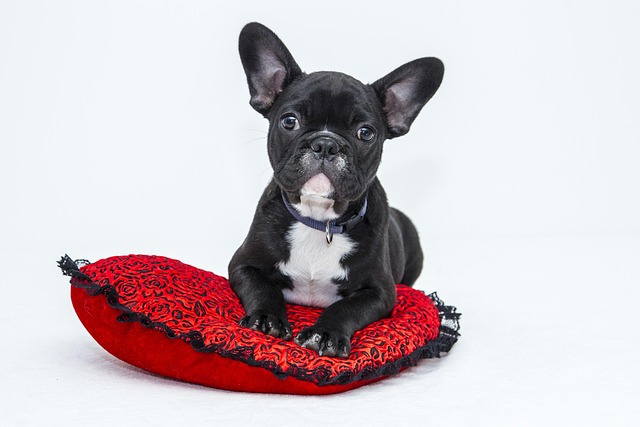
Age-Stage Decision Model
- Supervision capacity: puppies need near-constant management in early months.
- Routine flexibility: adults often adapt faster to household rhythm.
- Behavior predictability: adult profiles are usually easier to assess in advance.
- Training timeline: puppies require full foundation work from scratch.
If this is your first dog, combine with the first-time owner fit checklist before final choice.
Daily Workload Comparison
| Category | Puppy profile | Adult profile |
|---|---|---|
| House training | High frequency and close supervision | Often lower load if already house-trained |
| Sleep disruption | Common in early months | Usually lower once settled |
| Skill building | Foundational cues from zero | Refinement and habit reset |
| Impulse control | Immature and inconsistent | Often more stable baseline |
Predictability, Risk, and Behavior Stability
Adults often provide clearer temperament data up front. Puppies offer development flexibility but more uncertainty about final behavior patterns.
- Choose adult if predictable near-term routine is your top priority.
- Choose puppy if you can sustain high training and supervision load consistently.
- In multi-dog homes, use our multi-dog compatibility checklist for either path.

First-Year Cost and Time Horizon
- Puppies often need more early training sessions and setup purchases.
- Adults may require behavior transition support but can stabilize faster.
- Either path benefits from explicit schedule, budget, and care backups.
- Plan for veterinary, food, grooming, and emergency variance in both cases.
Profile Match Rules by Household Type
- Busy professionals: adults often reduce short-term disruption.
- Families with young children: prioritize calm adults or low-drive puppy lines with strong supervision plans.
- Senior households: adults with known low-reactivity profiles are frequently safer fits.
- Experienced trainers: puppies can be a strong fit when consistent structure is guaranteed.
For purchase-path decisions, pair this with the breeder due diligence checklist. For adoption-path decisions, pair it with the rescue temperament screening checklist.
Frequently Asked Questions
Can adult rescue dogs adapt to homes with kids?
Many do very well when temperament is screened carefully and transition structure is clear.
Do puppies always form stronger bonds?
No. Adults can form equally strong bonds with consistent care and predictable routines.
What is the most common puppy mismatch cause?
Underestimating supervision demand and early behavior-management workload.
Should I delay getting a dog if my schedule is unstable?
Often yes. Waiting can prevent avoidable stress, rehoming risk, and household disruption.