 PawfullyHonest
Most Aggressive Dog Breeds: A Complete Guide to Dog Breeds
Key Takeaway
The most aggressive dog breeds include Chihuahuas, Dachshunds, and Chow Chows based on behavioral studies — not the large breeds most people assume. Aggression depends far more on training, socialization, and individual temperament than breed genetics alone. This guide covers aggressive, dangerous, fluffy, expensive, lazy, and rare dog breeds to help you find the right match.
Related Breed Match Guides
- Best Family Dogs by Age for toddler, school-age, and teen household matching.
- Apartment Energy Match Checklist for barking risk, routine load, and city-living fit.
- First-Time Owner Fit Checklist for trainability and handling-demand screening.
- Rescue Temperament Screening Checklist for trigger-context and decompression planning.
- Guard Breed Suitability Checklist for risk and handling-readiness screening.
- Multi-Dog Compatibility Checklist for resident-dog fit and integration risk.
- Senior Owner Mobility Fit Checklist for safety-first breed selection.
- Breeder Due Diligence Checklist for purchase-path quality screening.
- Puppy vs Adult Fit Checklist for age-stage workload matching.
- Dog Training Guide for family-safe structure after adoption.
Few topics in the dog world generate stronger opinions — and more misinformation — than the most aggressive dog breeds. When people picture aggressive breeds, they usually imagine large, muscular dogs like Pit Bulls or Rottweilers. But research tells a different story. Studies published in veterinary behavior journals consistently find that small breeds like Chihuahuas, Dachshunds, and Jack Russell Terriers show aggressive behavior more frequently than their larger counterparts.
The truth is that breed alone is a poor predictor of aggression. A dog's behavior is shaped by genetics, early socialization, training quality, and the environment its owner provides. That said, understanding breed tendencies helps owners prepare for what their dog might need. This guide takes an honest look at dog breeds from every angle — the most dangerous, the fluffiest, the most expensive, and everything in between.

Whether you are searching for a family-friendly companion, an apartment-sized breed, or simply want to understand why certain breeds develop aggressive tendencies, this comprehensive guide draws from behavioral research and practical ownership experience. Every recommendation below is based on breed characteristics, not stereotypes.
Are Some Breeds Actually More Dangerous?
Most dangerous dog breeds are often categorized by bite statistics and fatal attack records. It is important to note that "dangerous" does not mean "aggressive" — danger correlates more with a breed's physical power than its temperament. A Chihuahua may bite more often, but a larger breed's bite causes significantly more damage.
Breeds frequently cited in bite statistics include Pit Bull Terriers, Rottweilers, German Shepherds, Doberman Pinschers, and Wolf Hybrids. However, these numbers are heavily influenced by population size, misidentification (many mixed breeds are labeled "pit bulls"), and reporting bias. Responsible ownership dramatically reduces risk with any breed.
The dangerous dog breeds list also varies by country. In the United States, Pit Bull-type dogs and Rottweilers account for the majority of fatal bite incidents. In the United Kingdom, where Pit Bulls are banned, other breeds top the statistics. This suggests that legislation targeting specific breeds is less effective than enforcing responsible ownership laws.
If you are specifically evaluating protective breeds, use our guard breed suitability checklist before choosing one for your household.
Aggression vs. Danger: Understanding the Difference
Dangerous dog breeds and aggressive dog breeds are not the same thing. Aggression is a behavioral trait — it describes a dog's tendency to growl, snap, or bite. Danger describes the potential for serious harm. A 5-pound Chihuahua that bites frequently poses far less danger than a 100-pound Rottweiler that bites rarely. Understanding this distinction matters for both public safety and fair treatment of breeds that carry unfair reputations.
The Fluffiest Dog Breeds You Can Own
Fluffy dog breeds are among the most popular pets in the world, and for good reason. Their thick, luxurious coats make them irresistible to pet, and many fluffy breeds have equally warm personalities. But that beautiful coat comes with grooming responsibilities — if you are considering a fluffy breed, budget for regular dog grooming sessions or invest in a quality grooming brush.
Top fluffy dog breeds include the Samoyed (the "smiling Sammie" with its iconic white coat), Pomeranian (tiny but packed with fluff), Chow Chow (lion-like mane, independent temperament), Bichon Frise (hypoallergenic fluffball), Keeshond (thick double coat), Old English Sheepdog (the shaggy classic), and the Shetland Sheepdog. Each breed has distinct grooming needs, exercise requirements, and personality traits.
Popular Small White Breeds
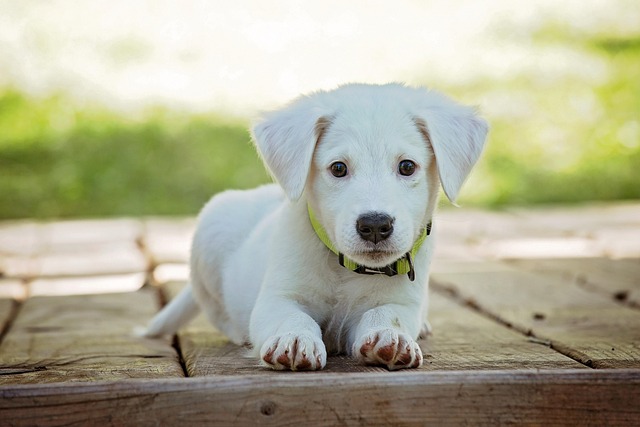
Small white dog breeds are a specific subset that many dog owners seek out for their elegant appearance and manageable size. The most popular small white dog breeds include the Maltese (silky, floor-length coat, 4-7 pounds), Bichon Frise (curly, hypoallergenic coat, 12-18 pounds), West Highland White Terrier (sturdy, confident personality, 15-20 pounds), and Japanese Spitz (fluffy, alert companion, 10-25 pounds). These breeds do well in apartments and are excellent choices for owners who want a lap dog with character. Regular grooming is essential to keep white coats bright and mat-free.
The Most Expensive Breeds to Buy and Own
Most expensive dog breeds can cost anywhere from $3,000 to well over $10,000 for a puppy from a reputable breeder. The price tag reflects rarity, breeding difficulty, demand, and sometimes pure prestige. But the purchase price is just the beginning — some of these breeds also rank among the costliest to own long-term due to health issues, grooming costs, and specialized dietary needs.
| Breed | Purchase Price | Annual Care Cost | Key Factor |
|---|---|---|---|
| Tibetan Mastiff | $5,000 - $1M+ | $3,000 - $5,000 | Rarity, prestige |
| Samoyed | $4,000 - $11,000 | $2,500 - $4,000 | Breeding difficulty |
| Lowchen | $5,000 - $8,000 | $1,500 - $2,500 | Extreme rarity |
| Chow Chow | $3,000 - $8,500 | $2,000 - $3,500 | Grooming, health |
| Azawakh | $3,000 - $6,500 | $1,500 - $2,500 | Rare sighthound |
| Pharaoh Hound | $3,000 - $6,000 | $1,500 - $2,000 | Ancient breed |
Which Breeds Cost the Most to Own Long-Term?
Costliest dog breeds to maintain are not always the most expensive to purchase. Breeds with chronic health problems drive up lifetime costs significantly. English Bulldogs face breathing issues, hip dysplasia, and skin infections — lifetime veterinary costs can exceed $15,000. Great Danes eat enormous amounts of food and are prone to bloat and heart disease. Bernese Mountain Dogs have one of the highest cancer rates of any breed. When budgeting for a dog, the purchase price may represent only 10-15% of the total lifetime cost, which includes food, grooming, veterinary care, and insurance.
Low-Energy Breeds for Laid-Back Lifestyles
Lazy dog breeds are ideal for owners who prefer a calm household, work long hours, or simply do not have the space or energy for a high-drive working breed. These dogs are content with short daily walks and plenty of couch time — making them perfect companions for apartment living and senior owners.
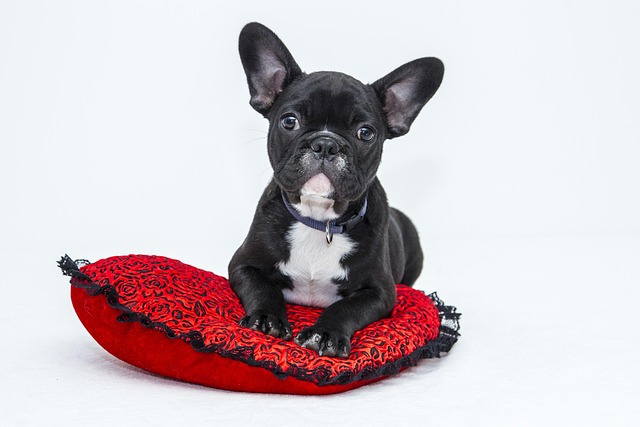
The top lazy dog breeds include Basset Hounds (stubborn but lovable, built for napping), English Bulldogs (low energy, love air conditioning), Shih Tzus (bred for Chinese royalty to sit on laps), Cavalier King Charles Spaniels (gentle, adaptable), French Bulldogs (playful in short bursts, then done for the day), Pugs (comical and content with minimal exercise), and Chow Chows (independent and catlike in their laziness).
Breeds That Thrive in Apartments
Dog breeds for apartments need more than just small size — they need low energy levels, minimal barking tendencies, and adaptable temperaments. The best dog breeds for apartments include French Bulldogs, Cavalier King Charles Spaniels, Greyhounds (surprisingly lazy despite their racing reputation), Basset Hounds, Boston Terriers, and Pugs. Size matters less than energy level: a calm 60-pound Greyhound is a better apartment dog than a hyperactive 15-pound Jack Russell Terrier. If your apartment has noise restrictions, avoid breeds known for barking like Beagles, Miniature Schnauzers, and Chihuahuas.
If apartment compatibility is your top constraint, run our apartment energy match checklist before choosing a breed profile.
So-Called "Ugly" Breeds That Steal Hearts
Ugly dog breeds have a devoted following precisely because they stand out from the crowd. The World's Ugliest Dog Contest, held annually in Petaluma, California, celebrates these unconventional-looking canines. Winners have included Chinese Cresteds, various mixed breeds, and dogs with uniquely expressive faces that only a dedicated owner could love.
Breeds that frequently appear on "ugly" lists include the Chinese Crested (hairless body with tufted head, feet, and tail), Bedlington Terrier (lamb-shaped silhouette), Bull Terrier (egg-shaped head), Neapolitan Mastiff (extreme facial wrinkles), Puli (corded coat that resembles a mop), and the Peruvian Inca Orchid (hairless with mottled skin). Beauty is subjective, and these breeds offer personality, loyalty, and uniqueness that more than compensates for their unconventional looks.
The Appeal of Brindle-Coated Dogs
Brindle dog breeds carry a striking tiger-stripe coat pattern that makes them visually distinctive. The brindle pattern appears in breeds like Boxers, Greyhounds, Mastiffs, Great Danes, Staffordshire Bull Terriers, French Bulldogs, and Cane Corsos. Brindle is not a breed but a coat pattern caused by a specific gene — it can appear as light brindle (faint stripes on a lighter base) or reverse brindle (heavy stripes that almost appear solid). Brindle-coated dogs have no different temperament or health profile than other color variations of the same breed.
Finding the Right Breed for Your Family
Choosing the right dog breed for your family requires matching the breed's energy level, size, and temperament to your household's lifestyle. Families with young children need patient, gentle breeds that tolerate handling. Active families benefit from high-energy companions. Seniors need calm, manageable dogs that still provide companionship and motivation to stay active.
Breeds That Are Great With Kids
The best dog breeds for kids combine patience, playfulness, and a forgiving nature. Golden Retrievers are the classic family dog — intelligent, gentle, and endlessly patient with children. Labrador Retrievers share these qualities with slightly higher energy. Beagles are sturdy, friendly, and love being part of a pack. Collies are protective and gentle. Newfoundlands are massive but incredibly gentle, often called "nanny dogs." When choosing a breed for a family with children, prioritize temperament and trainability over appearance. Any breed can be great with kids when properly trained and supervised, but these breeds have temperaments that naturally align with family life.
If your household has mixed child ages or first-time owners, use our family dog age-match guide, first-time owner fit checklist, rescue temperament screening checklist, multi-dog compatibility checklist, senior owner mobility-fit checklist, breeder due diligence checklist, and puppy vs adult fit checklist for a structured selection framework before you commit.
Ideal Companions for Older Adults
Dog breeds for seniors should be manageable in size, low-maintenance in grooming, and calm in temperament while still providing companionship and a reason to stay active. The Cavalier King Charles Spaniel is widely considered the best breed for seniors — affectionate, quiet, adaptable, and content with moderate exercise. Other excellent choices include Pugs (comical and loyal), Shih Tzus (calm lap dogs), Miniature Schnauzers (intelligent and hypoallergenic), and Maltese (tiny, devoted companions). If you have a multi-pet household, consider how your dog breed choice will affect existing pets — matching energy levels and temperaments is key to a harmonious home.
Which Breeds Live the Longest?
Longest living dog breeds tend to be smaller in size. This is one of the most consistent findings in canine longevity research — small breeds live significantly longer than large and giant breeds. While a Great Dane may live 7-10 years, a Chihuahua can reach 15-20 years. The exact reasons are still debated, but faster growth rates in large breeds appear to accelerate aging-related diseases.
The longest living dog breeds include Chihuahuas (15-20 years), Dachshunds (12-16 years), Toy Poodles (14-18 years), Jack Russell Terriers (13-16 years), Australian Cattle Dogs (12-16 years), Shih Tzus (10-18 years), and Lhasa Apsos (12-15 years). The oldest verified dog in history was Bobi, a Rafeiro do Alentejo from Portugal who lived to 31 years. The previous record holder was an Australian Cattle Dog named Bluey who reached 29 years.
Popular Breeds With Asian Origins
Asian dog breeds have gained enormous popularity worldwide, combining unique appearances with fascinating histories. The Shiba Inu (Japan's most popular companion breed, known for the "Shiba scream" and cat-like independence) has become an internet sensation. The Akita (Japan) is a powerful, loyal guardian breed — Helen Keller brought the first Akita to the United States. The Chow Chow (China) has a distinctive blue-black tongue and a bear-like appearance. The Shar-Pei (China) is immediately recognizable by its deep wrinkles. The Korean Jindo is fiercely loyal and independent. These breeds often require experienced owners due to their strong-willed, independent temperaments.
Rare and Unusual Breeds Worth Knowing
The Komondor is one of the most visually striking dog breeds in the world. Originating in Hungary, this large livestock guardian dog has a distinctive corded white coat that forms naturally into heavy, mop-like cords. A fully corded adult Komondor weighs 80-100+ pounds and looks like a walking mop — but beneath that coat is a serious working dog bred to protect sheep from wolves and bears. Komondor dog breeds require experienced owners who understand guardian breed temperaments. They are independent thinkers, protective of their territory, and not recommended for first-time dog owners.

Other rare dog breeds worth knowing include the Azawakh (West African sighthound, extremely rare in the West), Mudi (Hungarian herding breed, versatile and athletic), Lagotto Romagnolo (Italian truffle hunting dog), Norwegian Lundehund (six toes on each foot, bred for puffin hunting), and the Thai Ridgeback (one of only three ridgeback breeds worldwide). These breeds are difficult to find, often requiring long waitlists with specialized breeders.
Dog Breeds That No Longer Exist
Extinct dog breeds remind us that the breeds we know today are the result of centuries of selective breeding, and not all lineages survive. The Turnspit Dog was a small, long-bodied breed used in kitchens to turn roasting spits — it went extinct when mechanical kitchen equipment replaced it. The Hawaiian Poi Dog served as a food source and spiritual companion in Hawaiian culture. The Moscow Water Dog was a failed Soviet military experiment to create a water rescue breed — the dogs preferred to bite drowning victims rather than save them. The Talbot was a white hunting hound popular in medieval England that eventually evolved into modern Beagle and Bloodhound lines.
Frequently Asked Questions
What is the most aggressive dog breed?
Studies show that Chihuahuas, Dachshunds, and Chow Chows tend to display the most aggressive behaviors. However, aggression depends heavily on individual temperament, training, and socialization rather than breed alone. Larger breeds like Rottweilers and German Shepherds are often perceived as more aggressive due to their size, but small breeds actually bite more frequently.
What are the most dangerous dog breeds for families?
No breed is inherently dangerous to families when properly trained and socialized. Breeds that require experienced handling include Akitas, Cane Corsos, and wolf hybrids. For families with young children, avoid breeds with high prey drive or guarding instincts unless you have experience with these temperaments. Golden Retrievers, Labradors, and Beagles are consistently the safest choices for families.
Which dog breeds are best for first-time owners?
The best dog breeds for first-time owners include Golden Retrievers, Labrador Retrievers, Cavalier King Charles Spaniels, Poodles, and Beagles. These breeds are known for being trainable, good-natured, and forgiving of beginner mistakes. Avoid high-maintenance breeds like Huskies, Akitas, or any livestock guardian breed for your first dog.
What is the most expensive dog breed to buy?
The Tibetan Mastiff holds the record as the most expensive dog breed, with some puppies selling for over $1 million in China. Other expensive breeds include the Samoyed ($4,000-$11,000), Lowchen ($5,000-$8,000), Chow Chow ($3,000-$8,500), and Azawakh ($3,000-$6,500). Keep in mind that purchase price is a small fraction of total lifetime cost.
Which dog breeds live the longest?
The longest living dog breeds are generally small breeds. Chihuahuas can live 15-20 years, Dachshunds 12-16 years, Toy Poodles 14-18 years, Jack Russell Terriers 13-16 years, and Australian Cattle Dogs 12-16 years. To maximize your dog's lifespan, maintain a healthy weight, provide regular veterinary care, and feed a quality diet.