 PawfullyHonest
Dog Reverse Sneezing When to Worry: Red Flags, Causes, and Vet Timing
AI Summary
Dog reverse sneezing when to worry depends on pattern, not panic, because most episodes are brief and harmless but a minority signal airway disease. The key insight is to track frequency, recovery quality, and paired red flags so your vet can separate benign reflex events from urgent respiratory problems quickly.
Related PawfullyHonest Dog Guides
- Dog Dehydration Signs for emergency triage when panting and fluid loss overlap.
- Dog Itching Allergy Red Flags for trigger tracking when seasonal irritation is suspected.
- Dog Pain Signs Checklist for behavior changes that can mask respiratory discomfort.
- Dog Ear Cleaning Safety Checklist for grooming-trigger control in sensitive dogs.
Dog reverse sneezing when to worry is one of the most common questions owners ask after hearing a loud snorting fit for the first time. The sound is dramatic, dogs often freeze and extend their neck, and many families fear an asthma attack or choking emergency in the moment. In most cases, reverse sneezing is a short reflex event that resolves in seconds to under a minute and leaves the dog normal between episodes.
The problem is that "usually harmless" does not mean "always harmless." A recent observational study of 30 referred dogs with reverse sneezing found that many had additional respiratory signs, and the final diagnoses ranged from inflammatory airway disease to structural and infectious causes. That is why the right approach is not to ignore every event and not to rush to worst-case assumptions. It is to evaluate context, duration, trend, and recovery pattern with the same discipline you would use for any recurrent health sign.
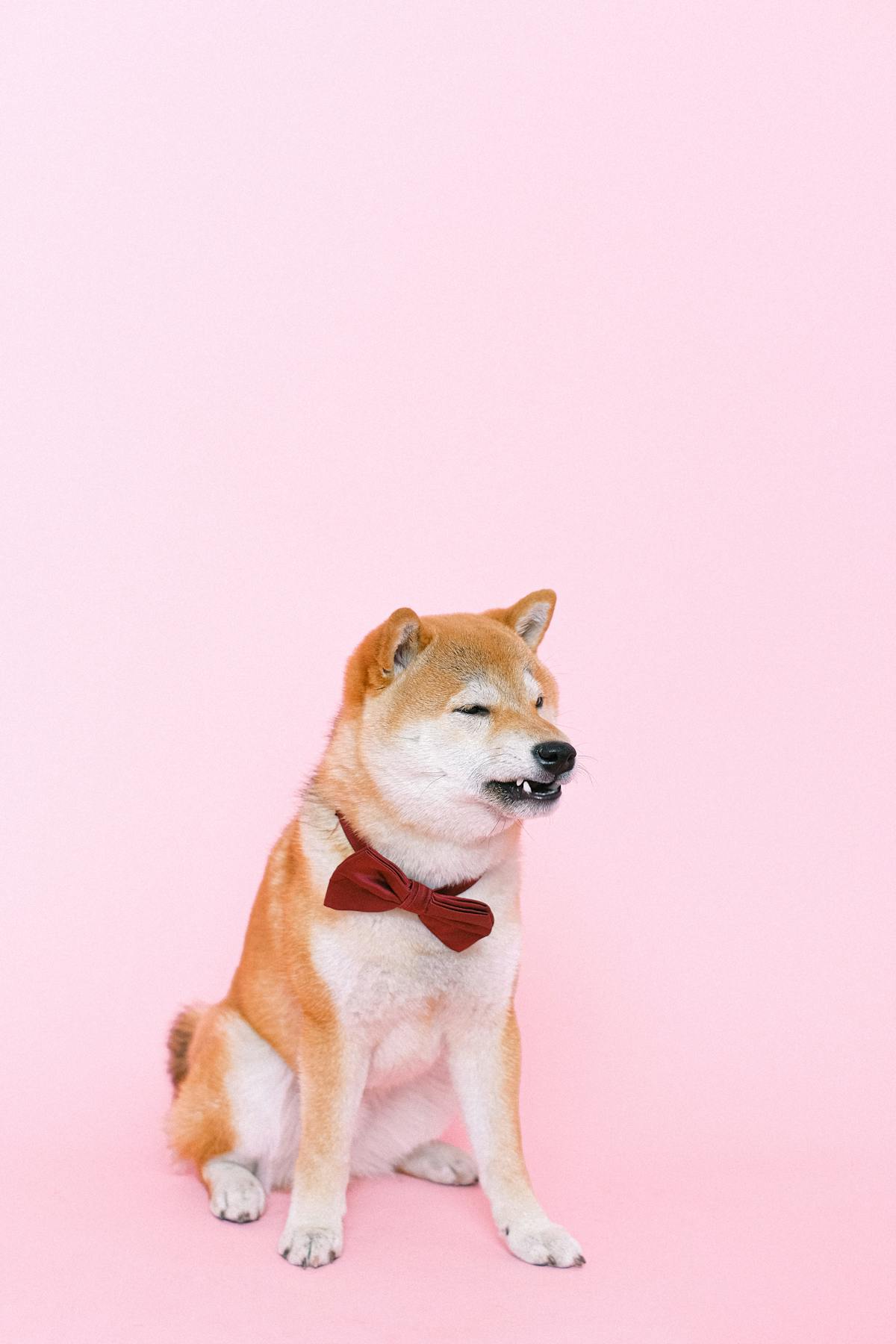
What Reverse Sneezing in Dogs Actually Is
Reverse sneezing, often called paroxysmal respiration, is a reflex where a dog rapidly pulls air inward through the nose instead of forcefully pushing air out like a normal sneeze. During an episode, many dogs stand still, brace their front limbs, extend the head and neck, and make repeated snorting or honking inhalations. The event can appear alarming, but the airway is not always fully blocked. In many dogs, the spasm settles spontaneously and breathing normalizes quickly.
Veterinary references from VCA Animal Hospitals and the American Kennel Club describe similar visual patterns: sudden inspiratory bursts, noisy airflow, and brief duration. The common mechanism is irritation in the nose, nasopharynx, or soft palate area, which triggers a reflex arc. Triggers can include dust, pollen, strong odors, excitement, leash pressure, post-nasal drip, or underlying disease.
Why owners misclassify the event
Owners often confuse reverse sneezing with choking, gagging, tracheal cough, or even seizure-like activity because all can involve noisy breathing and rigid posture. Misclassification matters because urgency differs. A single short reverse sneeze with full recovery is usually low risk. Persistent effort breathing between events is not low risk. Learning the distinction is the fastest way to improve decision quality at home.
When Reverse Sneezing Becomes a Medical Concern
The phrase "when to worry" should be translated into observable thresholds. You should escalate care when any of these patterns show up:
- Frequency shift: events are clearly more frequent than baseline, especially multiple times per day for several days.
- Duration shift: episodes run longer than your dog's usual pattern or recur in clusters without full recovery.
- Recovery change: your dog remains tired, anxious, noisy, or exercise-intolerant between episodes.
- Companion signs: cough, nasal discharge, nosebleed, voice change, retching, reduced appetite, or lethargy appears.
- Critical signs: blue or gray gums, collapse, severe respiratory effort, or distress that does not settle quickly.
In practical terms, first-time episodes deserve at least a routine veterinary discussion with video evidence, even if mild. Same-day veterinary review is reasonable when the pattern is new and escalating. Emergency care is warranted for breathing difficulty that continues between episodes or any sign of oxygen compromise. Treat the dog in front of you, not the average case online.
A calm, data-based timeline is more useful than memory: time started, duration, trigger, and recovery quality.
Reverse Sneezing vs Coughing, Choking, and Tracheal Collapse
A comparison table helps reduce guesswork during stressful moments.
| Pattern | Typical sound | Body posture | Key risk cue |
|---|---|---|---|
| Reverse sneezing | Rapid snorting inhalations | Neck extended, mouth mostly closed | Escalate if frequency or recovery worsens |
| Collapsing trachea cough | Dry honk, often with excitement or pulling | May continue between triggers | Exercise intolerance and chronic cough pattern |
| Kennel cough or URI | Persistent cough, gagging, throat clearing | Often with nasal/ocular discharge | Contagious context and systemic signs |
| Foreign-body irritation | Sudden repeated distress noises | Pawing at face, persistent agitation | No full recovery between events |
| Acute choking event | High distress, ineffective gagging | Panic, inability to settle | Emergency if airflow is compromised |
If you are unsure which bucket the event fits, assume uncertainty and seek veterinary guidance. Taking a short phone video is often the single most helpful diagnostic aid at first presentation because episodes rarely occur on demand in clinic rooms.
Most Common Causes of Frequent Reverse Sneezing
Reverse sneezing itself is a sign, not a diagnosis. In the 30-case observational study published in Veterinary Sciences (PubMed), dogs referred for reverse sneezing often had additional respiratory findings and diverse final diagnoses. That reinforces a key point: repeated episodes deserve cause-focused workup rather than indefinite watchful waiting.
Upper-airway irritation and inflammation
Environmental irritants remain the most common practical trigger set. Dusty rooms, cleaning sprays, smoke, dry air, fragrance products, and pollen-heavy outdoor windows can provoke pharyngeal irritation. Seasonal allergy dogs often show mixed signs such as itchy skin, paw licking, and episodic reverse sneezing in the same period. If this pattern sounds familiar, cross-reference our allergy red-flag guide and document symptom overlap by week.
Anatomic and breed-related contributors
Brachycephalic dogs and dogs with crowded upper-airway anatomy may have lower threshold for noisy inspiratory events. Neck pressure from poorly fitted collars, constant leash pulling, or sudden directional corrections can also aggravate sensitive pharyngeal tissue. Switching to well-fitted harness setups and lowering mechanical throat stress is a simple intervention with low downside.
Infectious, parasitic, and structural disease
When frequency climbs or additional symptoms appear, your vet may evaluate for infectious rhinitis, sinus disease, dental-nasal communication problems, foreign bodies, polyps, or less common masses. Nasal discharge, unilateral nosebleed, appetite decline, facial rubbing, or foul odor from the mouth and nose increases the need for advanced diagnostics rather than home-only monitoring.
A practical owner rule is this: if the episode pattern changes and the whole dog changes with it, move from observation to examination. A dog that still eats, plays, and recovers instantly can often be tracked. A dog with worsening frequency plus quality-of-life drift should be seen.
What the pattern over time tells you
Single isolated events are common, but trend direction matters more than event count. Rising frequency over two to three weeks, longer event windows, and lower post-event recovery quality strongly suggest that your veterinarian should look deeper than trigger avoidance alone. Owners who keep logs are far less likely to delay necessary diagnostics because trend lines become obvious.
What to Do During an Episode at Home
Home care should focus on safety, calm, and useful data collection. The goal is not to force the episode to stop in five seconds. The goal is to protect your dog, avoid panic behaviors, and capture enough information to improve decisions if episodes repeat.
Step-by-step episode protocol
- Stop activity and reduce stimulation: move away from crowds, play, and leash tension.
- Keep posture neutral: let your dog stand or sit with neck extended; avoid forceful restraint.
- Observe breathing rhythm: note whether airflow settles within your dog's usual duration.
- Record video: capture the event and 60 to 90 seconds after it ends for recovery context.
- Log key details: trigger, time of day, duration, and post-event energy and appetite.
What not to do: avoid aggressive mouth manipulation, avoid prolonged nostril occlusion, and avoid waiting weeks on a worsening pattern. The safest owner behavior is calm observation followed by clean follow-up notes. If your dog appears distressed between events, skip home experimentation and call your clinic.
Home monitoring metrics that help your vet
Track daily episode count, longest episode duration, activity tolerance, and whether your dog sleeps normally. Add environmental notes such as windy days, pollen spikes, heavy cleaning, and exercise intensity. If your dog is also panting heavily in warm conditions, include hydration notes using our dog dehydration triage checklist. Structured notes reduce diagnostic delay and prevent duplicated testing.
When home care is no longer enough
Home care stops being enough when your dog has non-episode symptoms: fatigue, cough, reduced appetite, nasal discharge, or obvious exercise intolerance. It also stops being enough when your own confidence in event classification drops. If you cannot clearly distinguish reverse sneezing from cough, gag, or airway distress, a physical exam is the right next step.
What Your Veterinarian Will Check
A good respiratory exam for recurrent reverse sneezing is staged. Your veterinarian will start with history and physical exam, then escalate diagnostics based on severity, companion signs, and exam findings. This approach protects your budget while still addressing true risk.
Typical first-line evaluation
- Full respiratory exam with upper-airway auscultation and airflow assessment.
- Oral exam and neck palpation for pain or structural clues.
- Review of video evidence and trigger context.
- Discussion of collar or harness setup, grooming products, and household irritants.
Second-line diagnostics when indicated
- Radiographs to evaluate chest and upper-airway pattern.
- Rhinoscopy or upper-airway endoscopy for persistent cases.
- Targeted infectious testing, cytology, or culture if discharge is present.
- Additional workup for suspected structural, dental, or neoplastic disease.
This staged approach balances cost and clinical yield. Not every dog needs advanced imaging immediately, but every dog with worsening or complex signs needs a plan that moves beyond guesswork. If your dog has coexisting behavior stress and respiratory sensitivity, layered support from training structure can help; see our loose-leash consistency checklist for lower-throat-pressure walking routines.
Treatment pathways by cause
Treatment follows cause. Irritant-driven cases improve most with trigger reduction and airway calming plans. Allergy-driven cases may need multimodal allergy control. Infectious causes need targeted medication and follow-up. Structural causes may need procedural or specialist input. The key point is that "reverse sneeze" alone is not a final diagnosis, so treatment should never be one-size-fits-all.
What to ask at your appointment
Bring specific questions: What diagnosis is most likely right now? Which findings would change the plan? What signs would require urgent reevaluation? What low-cost changes can we test first? What timeline should we use to judge improvement? Owners who ask these questions leave with a clearer plan and fewer unnecessary rechecks.
How to Reduce Future Episodes
Prevention is mostly trigger and routine control. No plan prevents every event, but consistency usually lowers frequency and severity. The objective is not perfect silence. It is fewer episodes, shorter duration, and better recovery quality.
Environment and handling upgrades
- Use fragrance-free cleaners and avoid aerosol sprays around dogs.
- Improve ventilation and humidity during dry seasons.
- Switch from neck-pressure collars to properly fitted harnesses for pullers.
- Rinse paws and muzzle after high-pollen outdoor sessions when appropriate.
- Keep feeding and exercise schedules stable to reduce stress-linked flare patterns.
Routine review checkpoints
Run a weekly quick review: episode count, known triggers, recovery quality, and new signs. If trend lines worsen for two consecutive weeks, move from home monitoring to veterinary reassessment. For multi-symptom dogs, connect this log with your broader dog health baseline routine so respiratory data is not isolated from appetite, activity, and behavior changes.
Owners who do best in these cases treat reverse sneezing as a trend-management problem, not a single-event drama. Calm response, accurate logs, and timely escalation are what protect dogs from delayed diagnosis.
Frequently Asked Questions
Is reverse sneezing in dogs dangerous?
Most reverse sneezing episodes are benign and short. It becomes higher risk when episodes are more frequent than baseline, recovery is poor, or warning signs appear between events.
How often is too often for reverse sneezing in dogs?
Any clear upward trend matters, especially daily clusters over several days. If your dog changes from occasional events to repeated episodes each day, schedule a veterinary exam.
What should I do during a reverse sneezing episode?
Keep your dog calm, reduce stimulation, avoid forceful handling, and record a short video for your vet. Focus on timing and recovery quality instead of trying multiple interventions during distress.
When should I take my dog to the vet for reverse sneezing?
Book same-day or prompt care for frequent, prolonged, or worsening episodes, or if cough, discharge, lethargy, and appetite decline occur. Seek emergency care for collapse, blue gums, or obvious breathing distress.
Can allergies cause reverse sneezing in dogs?
Yes. Allergic airway irritation is a common trigger pattern, especially in dogs with concurrent skin or seasonal signs, and better trigger control often lowers event frequency.