 PawfullyHonest
Dog Loose Leash Consistency Checklist: Stop Pulling with Repeatable Walk Rules
Key Takeaway
Loose leash walking improves when every pull has the same recovery outcome. Consistency beats intensity.
Related Dog Training Guides
- Main Dog Training Guide for tools, cue structure, and behavior foundations.
- Leash Reactivity Training Plan when pulling overlaps with barking or lunging triggers.
- Recall Training Checklist for distraction-proof response reliability.
- Crate Training Night Routine Plan for better sleep consistency and lower next-day overarousal.
Many owners work on leash skills only when walks go badly. That is why progress feels random.
This checklist gives you a predictable framework so your dog gets the same feedback every time pulling appears.
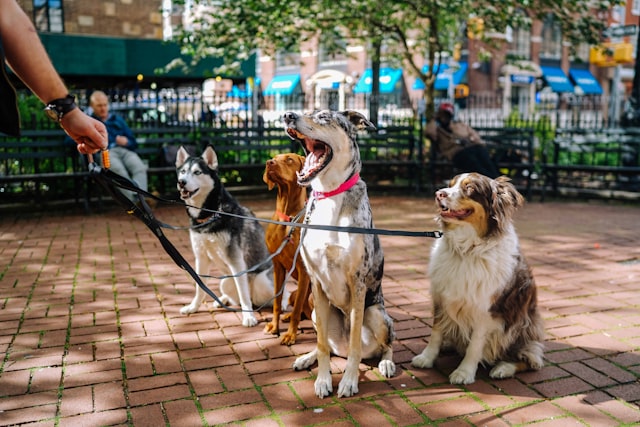
Loose Leash Work vs Reactivity Work
Pulling has multiple causes. Two common patterns need different plans:
- Loose leash drift: forward pressure from excitement, habit, or inconsistent rules.
- Reactivity spike: pulling plus barking, fixating, or lunging around triggers.
If your dog crosses into trigger-based meltdowns, pair this page with the leash reactivity plan so distance and emotional regulation are handled correctly.
Setup Checklist Before You Start
- Choose stable gear: fixed-length leash and well-fitted harness.
- Pick one walking side: left or right, then keep it consistent.
- Use a marker word: quick cue that predicts reward delivery.
- Carry high-value rewards: low-delay reinforcement is mandatory in early reps.
- Train in lower-distraction windows first: avoid rush-hour sidewalks while building baseline behavior.
Cleaner setup reduces conflict before you even ask for better leash behavior.
Reward Timing and Position Rules
- Reward when leash slack appears, not after tension builds.
- Deliver treats at leg position to reinforce the zone you want.
- Use short frequent reps at first rather than long walk marathons.
- Track how many consecutive steps stay loose before the next pull.
Late reward timing is one of the biggest reasons dogs keep forging ahead.

What to Do the Moment Pulling Starts
Use one consistent reset sequence:
- Stop forward movement immediately when tension appears.
- Wait for slack and eye contact or orientation back to you.
- Mark and reward at your preferred side.
- Resume walking only after the reset signal.
Switching recovery methods mid-walk creates mixed signals and slower learning.
14-Day Progression Framework
Days 1-4: Sidewalk Basics
- Short sessions in low-distraction routes.
- High reward density for every clean stretch.
- Keep walk objectives simple: rhythm over distance.
Days 5-9: Moderate Distraction
- Add busier corners gradually.
- Pre-cue and reward before known pull triggers.
- Lower speed when focus drifts.
Days 10-14: Real-World Maintenance
- Blend training reps into normal walks.
- Use variable reinforcement while preserving reset rules.
- Log regression points and adjust route difficulty.
If progress stalls, review consistency first: handler timing, reward placement, and reset repetition quality.

Frequently Asked Questions
Should I use a front-clip harness for leash training?
It can help with management, but the long-term fix is still consistent reward and reset timing.
Why does my dog pull more near home?
Dogs often anticipate routine transitions near familiar points. Pre-cue and reward earlier in those zones.
Can kids handle loose leash training sessions?
Only after baseline reliability is built. Early sessions need precise timing and controlled handling.
What if my dog is too excited for food outdoors?
Lower the environment difficulty first. Inability to take rewards usually means training context is too hard.