 PawfullyHonest
Dog Grooming Brush: The Complete Dog Grooming Guide
Key Takeaway
The best dog grooming brush depends on your dog's coat type. Slicker brushes work best for long-haired breeds, bristle brushes for short coats, and deshedding tools for heavy shedders. Regular brushing reduces shedding by up to 90% and prevents matting. This guide covers every grooming tool, professional grooming costs, and step-by-step at-home grooming techniques.
Related Grooming Checklists
- Dog Nail Trimming Guide for clipper vs grinder decisions and quick-bleed response.
- Dog Grooming Prices Guide for cost planning between salon and home upkeep.
- Dog Skin Barrier Grooming Checklist for irritation-safe wash cadence and product filtering.
- Dog Coat Loss Grooming Checklist for shedding versus patchy-loss triage and escalation.
- Dog Bath Frequency by Coat Checklist for coat-specific wash interval planning.
- Dog Ear Cleaning Safety Checklist for safer moisture control and cleaning technique.
A dog grooming brush is the single most important tool in any dog owner's grooming kit. Regular brushing prevents mats, reduces shedding around your home, distributes natural skin oils for a healthier coat, and allows you to check for skin issues, lumps, parasites, or injuries you might otherwise miss. Yet most dog owners either brush too infrequently or use the wrong brush type for their dog's coat — reducing effectiveness and sometimes causing discomfort.
This guide covers every essential grooming tool and technique, from choosing the right dog grooming brush for your breed to understanding professional grooming costs and setting up a complete at-home grooming station. Whether you want to maintain your dog's coat between professional visits or handle all grooming yourself, the information below will help you do it confidently and effectively.
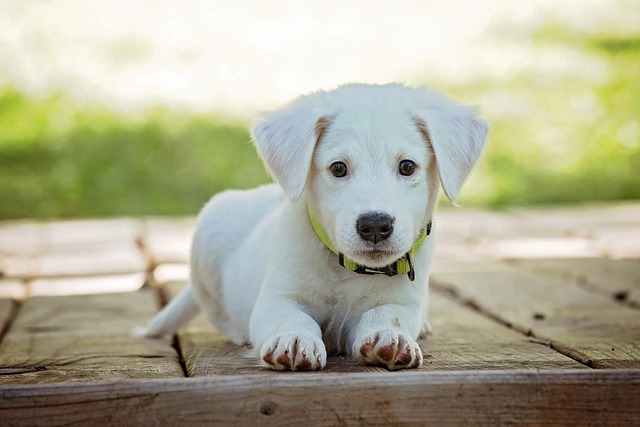
Grooming is not just about appearance — it is a fundamental part of dog health care. Matted fur can cause skin infections, overgrown nails affect posture and joint health, and dirty ears lead to painful infections. The tools and techniques below address every aspect of grooming that keeps your dog comfortable, healthy, and looking their best. For paw-specific handling and trim intervals, see our dog nail trimming guide, then use our bath frequency by coat checklist, ear cleaning safety checklist, skin-barrier checklist, and coat-loss checklist when irritation or shedding patterns escalate.
Picking the Right Brush for Your Dog's Coat
Choosing the right dog grooming brush starts with identifying your dog's coat type. Using the wrong brush is ineffective at best and painful at worst. Here is a breakdown of the four main brush types and which coats they serve.
| Brush Type | Best For | How It Works | Price Range |
|---|---|---|---|
| Slicker Brush | Long, curly, or double coats (Poodle, Bichon, Golden Retriever) | Fine wire bristles remove tangles and loose undercoat | $8-$20 |
| Bristle Brush | Short, smooth coats (Beagle, Boxer, Dachshund) | Natural or nylon bristles distribute oils and remove surface debris | $5-$15 |
| Pin Brush | Medium to long coats (Setter, Spaniel, Collie) | Rounded-tip pins glide through longer hair without pulling | $7-$18 |
| Deshedding Tool | Heavy shedders with double coats (Husky, German Shepherd, Lab) | Stainless steel edge reaches through topcoat to remove loose undercoat | $15-$35 |
For most dogs, a combination of two brushes produces the best results. Use a slicker brush for detangling and mat prevention, followed by a bristle brush to add shine and distribute oils. Double-coated breeds benefit from a deshedding tool during shedding season (spring and fall) and a slicker brush for regular maintenance. Different dog breeds have vastly different coat types — always research your specific breed's grooming needs.
How to Pick the Right Brush
When choosing a grooming brush for dogs, consider four factors: your dog's coat type (short, medium, long, curly, double, wire), the brush's bristle material (wire, nylon, natural, rubber), the brush size relative to your dog (small brushes for small dogs prevent discomfort), and the brush quality (cheap brushes have bristle tips that scratch skin). Test a brush by running it along the inside of your forearm — if it scratches or pulls uncomfortably, it will do the same to your dog's skin. Brands like Chris Christensen, Andis, and Safari consistently produce high-quality grooming brushes that professionals trust.
Scissors and Shears for At-Home Grooming
Dog grooming scissors are essential for trimming around sensitive areas (face, ears, paws, sanitary areas) and for breed-specific styling. Unlike clippers, which cut hair to a uniform length, scissors allow precise control for blending, shaping, and detail work. Professional groomers typically use three types of scissors: straight shears for general cutting and creating clean lines, curved shears for rounding and contouring (topknots, feet, tails), and thinning shears for blending and reducing bulk without creating harsh lines.
Quality dog grooming scissors range from $20-$60 for hobbyist-grade to $80-$300+ for professional Japanese steel shears. The key differences are blade sharpness, edge retention, and ergonomic design. Professional shears stay sharp for months of daily use, while budget scissors may need sharpening every few weeks. For home groomers, a good mid-range straight shear ($30-$50) and a thinning shear ($25-$40) cover most needs. Always use scissors designed for pet grooming — human hair scissors have different blade geometry that does not work well on dog hair.
Professional-Grade Shears Worth the Investment
Professional dog grooming shears are precision instruments made from Japanese or German stainless steel, convex-edged for smooth cutting, and ergonomically designed to prevent hand fatigue during 8-hour grooming days. Top professional brands include Kenchii (industry standard, $100-$300 per pair), Chris Christensen (excellent thinning shears), Geib Buttercut (affordable professional quality, $60-$120), and Dubl Duck (hand-forged, $200+). Professional groomers typically maintain 4-6 pairs of shears for different tasks and rotate them throughout the day. Shears should be professionally sharpened every 3-6 months and oiled after each use. A quality professional shear set lasts 10-20 years with proper maintenance, making the higher price a long-term investment.
Do Grooming Vacuums Actually Work?
A dog grooming vacuum is a relatively new tool category that combines brushing and hair collection into one device. Instead of brushing your dog and then sweeping up the loose hair, a grooming vacuum suctions loose hair directly into a collection chamber as you brush. This reduces mess dramatically and makes deshedding sessions significantly cleaner. The concept gained mainstream popularity with the Dyson Pet Grooming Kit and has since expanded with dedicated grooming vacuum brands.
The best dog grooming vacuums balance suction power (enough to capture hair without scaring the dog), noise level (dogs are sensitive to loud motors), and brush attachment quality. Leading options include the oneisall/Neakasa P2 (budget-friendly at $60-$80, five grooming attachments), the Afloia ($50-$70, quiet motor), and the Dyson Pet Grooming Kit ($40 attachment for existing Dyson vacuums). Important considerations: some dogs are terrified of vacuum noise regardless of volume, so introduce the device gradually. Start by running the vacuum in another room while treating your dog, then bring it closer over several sessions. Never force a grooming vacuum on a fearful dog — the stress negates the grooming benefits.
Choosing a Grooming Tub or Bath Setup
A dog grooming tub elevates your dog to a comfortable working height, contains water spray and mess, and makes bathing dramatically easier than using a human bathtub or shower. For at-home groomers, a dedicated dog grooming tub transforms bath time from a dreaded chore into a manageable routine.
Grooming tub options range from portable plastic tubs ($40-$80) to stainless steel professional-grade tubs ($300-$1,500+). For home use, the Booster Bath (elevated plastic tub with ramp, $80-$120) is the most popular choice — it is lightweight, portable, and fits in a standard bathtub or can be used outdoors. For garages or dedicated grooming spaces, stainless steel tubs with backsplash walls and built-in drains ($300-$600) provide a more permanent solution. Key features to look for: appropriate height for your back (most tubs sit at 30-36 inches), a restraint loop to secure your dog, non-slip surface on the tub floor, and adequate drainage.
Setting Up for At-Home Grooming
Setting up for dog grooming at home requires a modest investment that pays for itself within 3-5 professional grooming sessions. Here is a complete supply checklist: a quality brush matched to your dog's coat type ($10-$30), a deshedding tool for shedding season ($15-$35), nail clippers or grinder ($10-$25), styptic powder for nail quick accidents ($5-$8), dog-specific shampoo and conditioner ($8-$15 each), ear cleaning solution ($8-$12), cotton balls, towels, a grooming tub or non-slip bath mat ($20-$120), and a high-velocity dryer or absorbent chamois towel ($15-$200). Total startup cost: $100-$500 depending on quality level. The process: brush thoroughly before bathing (never bathe a matted dog — water tightens mats), wet coat completely, apply shampoo and work through, rinse thoroughly, apply conditioner if needed, rinse again, towel dry, then blow dry or air dry depending on coat type.
What Does Professional Grooming Cost?
Dog grooming prices vary significantly based on your dog's size, coat type, condition, and the services included. Understanding the pricing structure helps you budget appropriately and recognize when you are being overcharged — or getting a great deal. For a complete breakdown of grooming prices by breed, chain store comparisons, mobile grooming rates, and money-saving tips, see our detailed dog grooming prices guide.
| Service | Small Dog (under 25 lbs) | Medium Dog (25-50 lbs) | Large Dog (50-90 lbs) | Giant Breed (90+ lbs) |
|---|---|---|---|---|
| Bath & Brush | $20-$35 | $30-$45 | $40-$60 | $60-$80 |
| Full Groom (bath + haircut) | $35-$55 | $50-$75 | $70-$100 | $100-$150+ |
| Nail Trim Only | $10-$15 | $10-$15 | $12-$18 | $15-$20 |
| Teeth Brushing Add-on | $5-$10 | $5-$10 | $8-$12 | $8-$12 |
| Deshedding Treatment | $20-$30 | $25-$40 | $35-$55 | $50-$70 |
What's Included in a Full Groom?
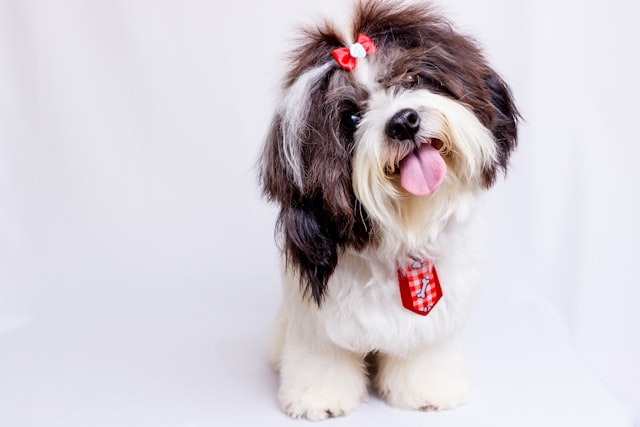
Dog grooming cost includes more than just the haircut. A standard full groom covers bathing with professional shampoo, blow-drying (using high-velocity dryers that cost $200-$400), brushing and detangling, breed-specific haircut or trim, nail trimming, ear cleaning, sanitary trim, and sometimes anal gland expression. Some groomers charge a la carte for each service, while others offer package pricing. Matted dogs incur additional charges ($20-$50+) because dematting is time-consuming and labor-intensive. Regular grooming every 4-8 weeks prevents matting and keeps costs predictable. Skipping sessions and then bringing in a severely matted dog costs more than maintaining a consistent schedule.
How to Find a Good Groomer in Your Area
Finding affordable dog grooming near you requires comparison shopping, but price should not be the only factor. Check reviews on Google, Yelp, and local Facebook groups. Ask about the groomer's certification (NDGA, IPG, or ISCC certifications indicate professional training). Visit the facility before booking — look for cleanliness, proper ventilation, kennel-free handling, and calm handling techniques. Mobile dog grooming adds $10-$25 to base prices but eliminates travel stress for anxious dogs and provides one-on-one attention in a familiar environment. Pet store grooming chains (PetSmart, Petco) offer consistent pricing and convenience but may have higher staff turnover. Independent groomers often provide more personalized service and are willing to work with anxious or special-needs dogs.
Clippers That Make Home Grooming Easier
Dog clippers are electric tools that cut hair to a specific length determined by the blade size. They are essential for breed-specific haircuts, body trims, and sanitary clips. Dog clippers differ from human clippers in motor speed (dog clippers run at higher RPMs to cut through thicker coats), blade design (wider blades for larger coverage), and durability (built for extended professional use).
For home groomers, cordless clippers offer the best balance of convenience and power. The Wahl Bravura ($120-$150) is an excellent entry point — quiet, lightweight, and powerful enough for most breeds. The Andis Pulse ZR II ($200-$250) is the professional standard — 5-speed motor, 3-hour battery, and enough power for any coat type. For budget-conscious owners, the oneisall/Ceenwes ($25-$40) handles light trimming on small breeds adequately. Blade sizes range from #3 (leaving 1/2 inch of hair) to #40 (surgical close cut). Most home groomers need a #10 blade (1/16 inch, good for sanitary areas) and a set of snap-on combs for body length control.
What the Pros Use: Salon-Grade Clippers
Professional dog grooming clippers must handle 6-10 dogs per day across all coat types without overheating, losing power, or causing hand fatigue. The industry standard brands are Andis (AGC Super 2-Speed, $150-$200 — the workhorse of grooming salons), Wahl KM10 ($180-$230 — brushless motor, extremely quiet), and Oster A5 ($100-$150 — reliable, decades-old design, interchangeable blades). Professionals typically own 2-3 clipper units so one can cool down while another is in use. Blades are sharpened by a professional sharpening service every 2-4 weeks ($5-$8 per blade), and most groomers maintain a collection of 8-12 blade sizes. Clipper maintenance includes oiling blades before and after each use, cleaning hair from vents, and replacing drive components annually.
Grooming Hammocks for Nail Trimming
A dog grooming hammock is a harness-like sling that suspends a small-to-medium dog slightly above a surface, restricting movement and providing access to all four paws, belly, and sanitary areas. Grooming hammocks are particularly useful for nail trimming — the single task that most dogs resist and most owners dread. By securing the dog in a comfortable, suspended position, the hammock reduces squirming, prevents biting, and keeps all paws accessible. Hammocks attach to a ceiling hook, shower rod, or specialized stand. They work best for dogs under 50 pounds. For larger dogs, a grooming table with a restraint loop provides similar control.
Is a Grooming Table Worth It?
A grooming table transforms dog grooming from an awkward, back-straining struggle into a controlled, efficient process. By elevating your dog to waist height, a grooming table provides better visibility, easier access to all areas, and significantly less physical strain on the groomer. Tables include a restraint arm with a loop that attaches to the dog's collar, keeping them safely in place during grooming.
For home groomers, a folding grooming table ($60-$120) provides a sturdy, height-appropriate surface that stores flat when not in use. Professional salons use hydraulic tables ($300-$800) that adjust height with a foot pump and feature non-slip rubber surfaces. Electric lift tables ($500-$1,200) are the premium option, adjusting height with a motor for zero physical effort. When choosing a table, ensure the weight capacity exceeds your dog's weight by at least 50%, the surface has a non-slip coating, and the restraint arm is sturdy and adjustable.
When Sedation Might Be Necessary
For dogs with severe grooming anxiety that resist handling despite positive training, a mild dog sedative for grooming may be appropriate — but only under veterinary supervision. Common veterinary-prescribed sedatives include trazodone (mild anti-anxiety, given 1-2 hours before grooming), gabapentin (calming without heavy sedation), and acepromazine (stronger sedative, typically reserved for extreme cases). Natural calming alternatives include Adaptil pheromone spray on the grooming surface, Rescue Remedy drops, calming treats with L-theanine or chamomile, and ThunderShirts (compression wraps). Always try positive desensitization training first: expose your dog to grooming tools gradually, pair each tool with high-value treats, and keep early sessions extremely short (2-5 minutes). Most dogs can learn to tolerate grooming through patient, consistent conditioning. If your dog's grooming anxiety seems linked to underlying pain or health issues, check our dog health guide for common conditions that may contribute. Never use sedatives without veterinary guidance, as dosing errors can be dangerous.
Frequently Asked Questions
How often should you brush your dog?
Brushing frequency depends on coat type. Long-haired breeds (Shih Tzu, Yorkshire Terrier, Collie) need daily brushing to prevent mats. Medium-coated breeds (Golden Retriever, Australian Shepherd) need brushing 2-3 times per week. Short-haired breeds (Beagle, Boxer, Labrador) benefit from weekly brushing. Double-coated breeds need extra brushing during spring and fall shedding seasons.
What type of brush is best for dogs that shed?
For heavy shedders with double coats, a deshedding tool like the Furminator is most effective — it reaches through the topcoat to remove loose undercoat hair. For medium shedders, a slicker brush handles daily maintenance well. Bristle brushes work best for short-haired breeds that shed lightly. Using the right brush consistently can reduce loose hair around your home by up to 90%.
How much does dog grooming cost on average?
Average dog grooming costs in 2026: small dogs $35-$55 for a full groom, medium dogs $50-$75, large dogs $70-$100, and giant breeds $100-$150+. A basic bath-and-brush costs less ($20-$45 depending on size). Mobile grooming adds $10-$25 to base prices. Regular grooming every 4-8 weeks prevents matting, which incurs additional dematting charges of $20-$50+.
Can I groom my dog at home?
Yes, most basic grooming can be done at home. Essential supplies include a quality brush for your coat type ($10-$30), nail clippers or grinder ($10-$25), dog shampoo ($8-$15), ear cleaning solution ($8-$12), and towels. Total startup cost is $100-$500 depending on quality. Start with bathing and brushing, then gradually add nail trimming and ear cleaning as you build confidence.
What grooming tools do professional groomers use?
Professional groomers use high-velocity dryers, professional-grade clippers (Andis, Wahl, Oster), multiple blade sizes, straight and curved shears, thinning shears, slicker brushes, greyhound combs, nail grinders, ear hemostats, and grooming tables with restraint arms. A complete professional setup costs $1,000-$3,000. Quality tools last 10-20 years with proper maintenance.