 PawfullyHonest
Best Dog Food Guide for Allergies, Sensitive Stomachs, and Breed Needs
Key Takeaway
The best dog food for skin allergies uses a limited ingredient formula with a novel protein (venison, duck, or salmon) and avoids common triggers like chicken, beef, wheat, and soy. This guide reviews the top foods for every condition — itchy skin, sensitive stomachs, weight management, diabetes, and pancreatitis — plus breed-specific recommendations for Goldendoodles, French Bulldogs, and Cane Corsos. Every pick is backed by veterinary research and real-world feeding results.
What Makes This Guide Different
- Symptom-first recommendations so you can start from itching, diarrhea, or poor coat quality.
- Clear separation between elimination diets, prescription formulas, and everyday maintenance foods.
- Breed-specific context for owner searches like Goldendoodles, French Bulldogs, and Cane Corsos.
- Transition planning support through our dog food transition guide so formula changes are easier on the gut.
- Budget-stability planning with our dog food budget and rotation checklist for lower-cost consistency.
- Label comparison support via our ingredient quality scoring checklist to reduce guesswork.
- Daily change-tracking support through our formula change monitoring checklist.
- Topper portion control using our topper calorie budget checklist.
- Protein-rotation risk control through our protein rotation sensitivity checklist.
- Meal-timing reliability support via our feeding schedule compliance checklist.
- Appetite-stability workflow with our appetite reliability checklist.
- Training-reward calorie control through our treat-calorie integration checklist.
Quick Comparison: Best Dog Foods by Need
| Product | Best For | Protein Source | Price Range | Key Feature |
|---|---|---|---|---|
| Hill's Science Diet Sensitive Stomach & Skin | Itchy skin & sensitive stomach | Salmon | $$ | Prebiotic fiber for gut health; top vet-recommended |
| Purina Pro Plan Sensitive Skin & Stomach | Sensitive skin & digestion | Salmon | $$ | Balanced omega-6 and omega-3; backed by feeding trials |
| Royal Canin Hydrolyzed Protein HP | Confirmed food allergies | Hydrolyzed soy protein | $$$ | Proteins broken down so immune system cannot recognize them |
| Hill's Prescription Diet z/d | Severe food allergies | Hydrolyzed chicken liver | $$$ | Highest success rate for truly allergic dogs; Rx required |
| Orijen Six Fish | Goldendoodles & coat health | Six whole fish species | $$$ | Omega fatty acids from whole food sources; 38% protein |
| Acana Pacifica | Goldendoodles & large breeds | Multiple fish | $$$ | Fish-rich formula for joint support and coat health |
| Victor Hi-Pro Plus | Cane Corsos & large muscular breeds | Beef, chicken, pork | $$ | High protein with glucosamine for large breed joint support |
| Natural Balance L.I.D. | Elimination diets & food sensitivities | Single protein (duck, salmon, bison, or venison) | $$ | Pioneer of limited ingredient diets; single protein + single carb |
Finding the best dog food for skin allergies can feel overwhelming when your dog is constantly scratching, developing hot spots, or losing fur. Skin allergies affect an estimated 10-15% of all dogs, causing relentless itching, ear infections, and coat deterioration that significantly impacts quality of life. The frustrating truth is that the wrong food can trigger or worsen these symptoms, while the right food can resolve them entirely within 8-12 weeks.
When switching formulas, pacing matters almost as much as ingredients. Use our dog food transition guide to move food ratios gradually and avoid unnecessary GI setbacks during the change.
If cost and formula consistency are both concerns, combine that transition plan with our budget and rotation checklist, ingredient scoring workflow, formula change monitoring checklist, protein rotation sensitivity checklist, feeding schedule compliance checklist, appetite reliability checklist, and treat-calorie integration checklist before switching foods.
Finding the right food requires understanding what causes canine skin allergies in the first place. The most common food allergens for dogs are proteins — specifically chicken, beef, dairy, egg, and wheat. Contrary to popular belief, grain allergies are rare in dogs. When a dog's immune system overreacts to a specific protein, the inflammation manifests primarily through the skin: constant scratching, paw licking, red belly, recurring ear infections, and patchy hair loss.
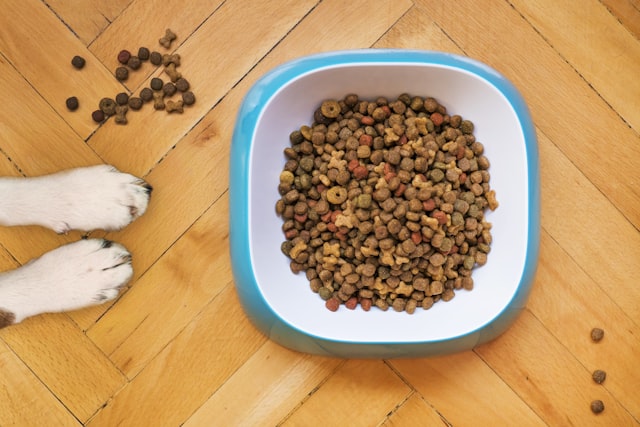
This buying guide covers the best dog food for every condition, breed, and dietary need — all sourced from veterinary research, feeding trials, and thousands of owner reviews. Whether your dog has chronic skin allergies, a sensitive stomach, or you simply want the highest-quality nutrition available, the recommendations below are honest, unbiased, and practical. For breed-specific considerations, our comprehensive dog breeds guide covers the unique needs of every breed.
Choosing Dog Food for Skin Allergies and Itchy Skin
Best dog food for itchy skin starts with eliminating the allergen causing the reaction. Since most food allergies in dogs are protein-driven, the gold-standard approach is a limited ingredient diet (LID) featuring a novel protein — a protein your dog has never eaten before. Novel proteins include venison, bison, duck, rabbit, kangaroo, and certain fish like pollock or whitefish.
The top veterinary-recommended foods for itchy skin and allergies include Hill's Science Diet Sensitive Stomach & Skin (salmon-based, contains prebiotic fiber for gut health), Purina Pro Plan Sensitive Skin & Stomach (salmon as first ingredient, omega-6 and omega-3 balanced), and Royal Canin Hydrolyzed Protein (proteins broken down to molecular size so the immune system cannot recognize them). For owners preferring natural or holistic options, Zignature (limited ingredient, exotic proteins), Natural Balance L.I.D. (single protein, single carb formulas), and Canidae PURE (7-10 whole ingredients) offer clean formulations without artificial additives.
An elimination diet is the only reliable way to identify your dog's specific allergen. Feed a single novel protein food exclusively for 8-12 weeks — no treats, table scraps, or flavored medications. If symptoms improve, you have found a safe food. You can then reintroduce previous proteins one at a time to identify the exact trigger. This process requires patience but delivers definitive answers that no blood test or allergy panel can match. Quality treats matter during this period too — check our dog treats guide for single-ingredient options safe for allergy elimination diets.
Identifying and Managing Food Allergies
Best dog food for dogs with food allergies goes beyond just skin symptoms. Food allergies can cause gastrointestinal issues (vomiting, diarrhea, gas), chronic ear infections, anal gland problems, and behavioral changes related to chronic discomfort. If your dog has confirmed food allergies (not just sensitivities), a hydrolyzed protein diet is the most effective option. Royal Canin Hydrolyzed Protein HP and Hill's Prescription Diet z/d break proteins into fragments too small to trigger an immune response. These require a veterinary prescription but offer the highest success rate for truly allergic dogs.
What to Feed a Dog with a Sensitive Stomach
Best dog food for sensitive stomach and diarrhea addresses a problem that affects dogs across all breeds and ages. A sensitive stomach can stem from food intolerances, low-quality ingredients, rapid food transitions, stress, or underlying health conditions. The hallmarks are frequent soft stools, intermittent diarrhea, excessive gas, vomiting after meals, and reluctance to eat.
The most effective sensitive stomach formulas share common characteristics: highly digestible proteins (salmon, lamb, or egg), prebiotic fibers (beet pulp, chicory root) that feed beneficial gut bacteria, added probiotics for microbiome balance, and the absence of common irritants like corn, wheat, soy, and artificial additives. Hill's Science Diet Sensitive Stomach & Skin and Purina Pro Plan Sensitive Skin & Stomach are the two most veterinarian-recommended options, both backed by extensive feeding trials.
Top Formulas for Sensitive Digestion
Best sensitive stomach dog food should produce consistent, well-formed stools within 2-3 weeks of switching. If your dog's stool does not improve within a month on a sensitive stomach formula, the issue may require veterinary investigation beyond a diet change. Conditions like inflammatory bowel disease (IBD), exocrine pancreatic insufficiency (EPI), and intestinal parasites can mimic simple food sensitivity but require medical treatment. Always transition to a new food gradually over 7-10 days, mixing increasing amounts of the new food with the old to prevent digestive upset from the switch itself.
How to Find Food Your Picky Dog Will Actually Eat
Best dog food for picky eaters is a challenge that frustrates millions of dog owners. While some dogs will eat anything placed in front of them, others sniff their bowl, walk away, and hold out for something better. Before blaming your dog, rule out medical causes — dental pain, nausea, and gastrointestinal discomfort can all cause food refusal. If your vet confirms your dog is healthy, the issue is behavioral, and the right food strategy can resolve it.
Picky eaters typically respond best to foods with strong aromas and varied textures. Wet food and fresh food options tend to outperform kibble because they smell more like real food and offer a softer, more palatable texture. The Farmer's Dog (fresh, human-grade, customized to your dog), Ollie Fresh Dog Food, and Nom Nom deliver restaurant-quality meals that even the pickiest dogs devour. If fresh food exceeds your budget, adding a high-quality food topper — bone broth, freeze-dried raw toppers, or a spoonful of canned pumpkin — can transform a boring kibble bowl into something your picky eater finds irresistible.
Keep topper use measured so appetite support does not become calorie overload. Use our topper calorie budget checklist to control extras.
Feeding strategies matter as much as food selection. Put your dog's food down for 15-20 minutes, then remove it — regardless of how much was eaten. Do not offer treats or alternatives until the next scheduled mealtime. Most healthy picky eaters adjust within 2-3 days when they learn that the food offered is the only option available. Free-feeding (leaving food out all day) is the number one cause of picky eating because it removes any urgency to eat at mealtimes.
Are Freeze-Dried Dog Foods Worth the Price?
Best freeze dried dog food represents the premium tier of commercial dog nutrition. Freeze-dried raw food preserves the nutritional profile of raw feeding — bioavailable proteins, intact enzymes, natural vitamins — without the food safety risks and inconvenience of handling raw meat. The freeze-drying process removes 98% of moisture while retaining nutrients that cooking destroys.

Top freeze-dried dog food brands include Stella & Chewy's (the market leader, with Freeze-Dried Raw Dinner Patties in 10+ protein varieties), Primal Pet Foods (balanced formulas with organic produce and supplements), Open Farm (ethically sourced, transparent supply chain), and K9 Natural (grass-fed New Zealand meats). Prices range from $30-60 per pound — significantly more than kibble — but many owners consider the nutritional superiority worth the investment, especially for dogs with chronic health issues that have not responded to conventional diets.
Freeze-dried food can serve as a complete meal (rehydrated with water) or as a nutrient-boosting topper mixed into kibble. The topper approach offers the best value — you get the nutritional benefits of freeze-dried raw without the full cost of feeding it exclusively. Even adding a small amount to each meal can improve coat condition, energy levels, and stool quality. For related nutrition guidance, check how different freeze dried dog treats compare to freeze dried food in ingredient quality.
Best Dog Food by Breed
Different breeds have distinct nutritional requirements based on their size, activity level, growth patterns, and genetic health predispositions. A Great Dane puppy needs carefully controlled calcium and phosphorus ratios to prevent developmental bone disease, while a French Bulldog needs a food that minimizes gas and supports their compromised respiratory system. Understanding your breed's specific needs is the foundation of choosing the right food.
What Goldendoodles Need in Their Diet
Best dog food for Goldendoodles should prioritize coat health, joint support, and digestive function — the three areas where this popular crossbreed is most vulnerable. Goldendoodles inherit the Poodle's curly, high-maintenance coat that requires abundant omega-3 and omega-6 fatty acids to stay healthy and mat-free. They also inherit the Golden Retriever's predisposition to hip dysplasia, making glucosamine and chondroitin important from an early age. Look for salmon-based or fish-rich formulas (Orijen Six Fish, Acana Pacifica, Taste of the Wild Pacific Stream) that deliver omega fatty acids from whole food sources rather than synthetic additives. Protein content should fall between 25-30% for adult Goldendoodles. Also maintain their coat health with regular grooming sessions to catch skin issues early.
Feeding Your French Bulldog Right
Best dog food for Frenchies must account for this breed's notorious digestive sensitivity and brachycephalic (flat-faced) anatomy. French Bulldogs are prone to food allergies, flatulence, and skin fold dermatitis. They also tend toward obesity because their low exercise tolerance means they burn fewer calories than most breeds their size. Choose a food with a single, easily digestible protein source (salmon or lamb over chicken), moderate fat content (12-15%), and added probiotics. Royal Canin French Bulldog Adult is breed-specific and formulated with a kibble shape designed for flat-faced jaw structures. For breed details beyond nutrition, see our complete dog breeds guide.
Nutrition for Cane Corsos
Best dog food for Cane Corso must deliver the high protein and joint support that this massive breed demands. Adult Cane Corsos weigh 90-120+ pounds and need 25-30% protein from high-quality animal sources to maintain their muscular frame. Joint health is critical — large breeds carry enormous skeletal stress, and Cane Corsos are predisposed to hip and elbow dysplasia. Choose formulas with glucosamine (minimum 300mg/kg), chondroitin, and EPA/DHA from fish oil. Large breed-specific formulas from Orijen, Acana, and Victor Hi-Pro Plus are excellent choices. Feed measured meals rather than free-feeding to prevent bloat, a life-threatening condition that disproportionately affects deep-chested breeds.

Feeding a Diabetic Dog: What Vets Recommend
Best dog food for diabetic dogs requires a fundamentally different nutritional approach than standard feeding. Diabetic dogs cannot properly regulate blood sugar, so the goal is to minimize post-meal glucose spikes through careful carbohydrate management. The ideal diabetic dog food is high in fiber (which slows glucose absorption), moderate in protein, low in simple carbohydrates, and consistent in composition so insulin dosing remains predictable.
Veterinary prescription diets for diabetes include Hill's Prescription Diet w/d (high fiber, low fat), Royal Canin Glycobalance (specifically formulated for glycemic control), and Purina Pro Plan Veterinary Diets DM (high protein, low carb). Over-the-counter options with similar profiles include Orijen Original (38% protein, limited carbs) and Merrick Grain-Free (protein-first, sweet potato carb source with lower glycemic index than white potato or rice). Always consult your veterinarian before changing a diabetic dog's food — any diet change requires insulin dosage adjustment.
Helping Your Dog Lose Weight Safely
Best weight loss dog food helps the 56% of dogs classified as overweight or obese reach a healthier body condition. Effective weight loss formulas reduce calorie density while maintaining satiety through high fiber and moderate protein. Simply feeding less of a regular food often fails because the dog feels hungry, leading to begging and behavioral issues. Purpose-built weight management formulas solve this by increasing volume per calorie. Hill's Metabolic (clinically proven to reduce weight by 11% in 60 days), Purina Pro Plan Weight Management, and Blue Buffalo Healthy Weight provide 15-25% fewer calories per cup than standard formulas while keeping dogs satisfied between meals.
When Your Dog Needs a Limited Ingredient Diet
Best limited ingredient dog food strips a recipe down to its essential components — typically one animal protein source and one carbohydrate source, plus necessary vitamins and minerals. This simplicity serves two purposes: it reduces the chance of triggering food sensitivities, and it makes identifying allergens dramatically easier if a reaction does occur.
Top limited ingredient dog food brands include Natural Balance L.I.D. (the pioneer of this category, offering single-protein formulas in duck, salmon, bison, and venison), Canidae PURE (7-10 whole food ingredients per recipe), Instinct Limited Ingredient Diet (one animal protein, one vegetable, plus pumpkin), and Merrick Limited Ingredient Diet (grain-free options with deboned meat as the first ingredient). When evaluating an LID, check that the food truly contains a single animal protein — some brands marketed as "limited ingredient" actually include multiple protein sources buried in the ingredient list. The ingredient panel should list only one named meat or fish. Use our ingredient quality scoring checklist to compare candidate labels consistently.
Managing Pancreatitis Through Diet
Best dog food for pancreatitis must be low in fat — this is non-negotiable. The pancreas produces enzymes that digest fat, and when inflamed, high-fat foods trigger painful flare-ups that can be life-threatening. Dogs recovering from pancreatitis need food with less than 10% fat on a dry matter basis, ideally 7-8%. Hill's Prescription Diet i/d Low Fat is the most widely recommended option, with just 6.4% fat and highly digestible ingredients that minimize pancreatic workload. Royal Canin Gastrointestinal Low Fat offers a similar profile. Long-term management requires avoiding fatty table scraps, high-fat treats, and any sudden dietary changes. Even a single fatty meal can trigger a recurrence in susceptible dogs.
Frequently Asked Questions
What is the best dog food for skin allergies?
The best dog food for skin allergies is a limited ingredient diet featuring a novel protein source like venison, duck, or salmon combined with a single carbohydrate. Brands like Hill's Science Diet Sensitive Stomach & Skin, Purina Pro Plan Sensitive Skin, and Royal Canin Hydrolyzed Protein consistently rank highest in veterinary recommendations. The key is eliminating common allergens — chicken, beef, wheat, corn, and soy — until you identify the trigger.
Is grain-free dog food better for dogs with allergies?
Grain-free dog food is not necessarily better for allergies. True grain allergies in dogs are rare — most food allergies are triggered by proteins like chicken, beef, or dairy, not grains. The FDA has also investigated a potential link between grain-free diets and dilated cardiomyopathy (DCM) in dogs. Unless your vet specifically diagnoses a grain allergy, a limited ingredient diet with grains may be safer than going grain-free.
What should I feed my dog with a sensitive stomach and diarrhea?
For dogs with a sensitive stomach and diarrhea, start with a bland diet of boiled chicken and white rice for 2-3 days, then transition to a sensitive stomach formula. Look for easily digestible proteins (salmon, lamb), prebiotics, probiotics, and added fiber. Hill's Science Diet Sensitive Stomach, Purina Pro Plan Sensitive Skin & Stomach, and Royal Canin Digestive Care are top veterinary-recommended options.
How long does it take for dog food to help with skin allergies?
It takes 8-12 weeks on a new food to see full improvement in skin allergy symptoms. Some dogs show improvement within 4-6 weeks, but a proper elimination diet trial requires at least 8 weeks to accurately determine if the food is helping. During this period, feed only the new food — no treats, table scraps, or flavored medications that could reintroduce allergens.
What is the best dog food for Goldendoodles?
The best dog food for Goldendoodles should support their curly coat, joint health, and moderate energy levels. Look for formulas rich in omega-3 and omega-6 fatty acids (salmon or fish-based foods excel here), glucosamine for joint support, and high-quality protein at 25-30%. Goldendoodles are prone to hip dysplasia and skin sensitivities, so avoid fillers and artificial additives. Brands like Orijen, Acana, and Taste of the Wild are popular among Goldendoodle owners.
Sources & References
- FDA Investigation into Potential Link Between Certain Diets and Canine Dilated Cardiomyopathy
- Association of American Feed Control Officials (AAFCO) - Pet Food Labeling Standards
- Merck Veterinary Manual - Food Allergies in Dogs
- Association for Pet Obesity Prevention - Pet Obesity Statistics
- AKC Canine Health Foundation - Canine Hip Dysplasia and Nutrition Research