 PawfullyHonest
Dog Food Treat-Calorie Integration Checklist: Keep Rewards in Budget
Key Takeaway
Treats do not have to sabotage nutrition. When reward calories are planned inside daily intake, training and feeding goals can both stay on track.
Related Food Guides
- Main Best Dog Food Guide for formula strategy by condition.
- Appetite Reliability Checklist for stable meal acceptance.
- Feeding Schedule Compliance Checklist for timing controls.
- Topper Calorie Budget Checklist for add-on boundaries.
- Low Calorie Dog Treats Guide for reward selection.
- Dog Training Guide for reinforcement planning.
Most feeding plans track kibble and ignore rewards. Over weeks, this hidden intake can distort weight trends and appetite patterns.
This checklist integrates treat calories into daily nutrition so training rewards stay useful without breaking feeding targets.
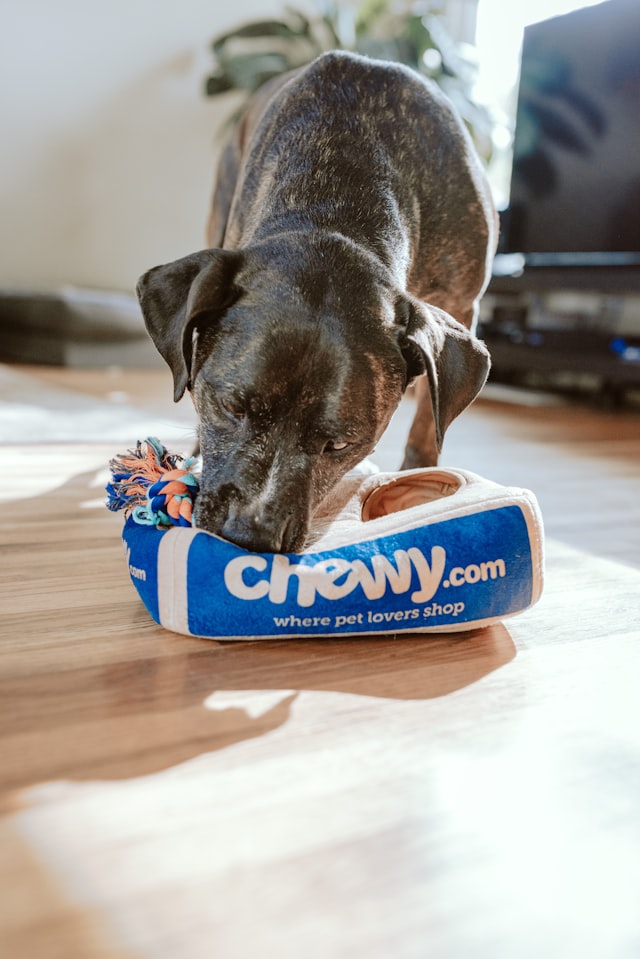
Treat-Calorie Budget Framework
- Set a daily treat allowance before training starts.
- Keep allowance fixed for seven-day evaluation windows.
- Use the same budget logic on weekdays and weekends.
- Include all snacks, chews, and "small extras" in the same total.
When topper use is high, coordinate this with our topper calorie budget checklist.
Reward Unit Design for Training Sessions
| Session type | Treat strategy | Control objective |
|---|---|---|
| High-repetition drills | Very small reward pieces | High reinforcement, low calorie load |
| New difficult skills | Higher-value but measured treats | Maintain motivation with limits |
| Maintenance sessions | Variable reward frequency | Reduce dependence on food volume |
For treat type selection, use our low-calorie treat guide and avoid switching brands mid-week unless necessary.
Meal Adjustment Rules
- Subtract planned reward calories from base meal allocation.
- Adjust portion size by measured amounts, not guesswork.
- Keep meal timing stable even when reward volume changes.
- Recalculate only after full-week trend review.
If appetite becomes inconsistent after reward changes, run our appetite reliability checklist.

Multi-Caregiver Control and Logging
- Pre-portion one shared treat container per day.
- Use a simple check-off log for every treat event.
- Assign one person as daily intake reconciler.
- End-of-day compare: planned reward budget vs actual usage.
Households with rotating schedules should also apply the feeding schedule compliance checklist.
Weekly Intake Audit and Correction Loop
- Review treat-budget hit rate for the week.
- Check weight and appetite trend direction.
- Identify trigger days (high training load, guest feeding, routine drift).
- Set one correction focus for next week.
Small weekly corrections are usually better than large reactive feeding changes.
Frequently Asked Questions
Can I use kibble as training rewards?
Yes, when practical. Kibble rewards can simplify calorie control in many training contexts.
How do I handle days with extra training sessions?
Use a planned high-activity day budget and adjust meal portions accordingly.
Do larger treats improve training outcomes?
Not usually. Timing and relevance matter more than treat size.
Should I rotate treat types often?
Frequent treat changes can add noise to feeding outcomes. Keep reward variables stable during evaluation windows.