 PawfullyHonest
Low Calorie Dog Treats Guide: Safe Portions and Weight-Loss Math
Key Takeaway
Most dog weight-gain problems are not meal-related. They come from untracked treat calories. A simple treat budget and portion strategy keeps training effective without stalling weight control.
Related Treat and Health Guides
- Main Dog Treats Guide for brand reviews and homemade treat options.
- Dog Training Reward Value Ladder Checklist for matching treat value to distraction level without blowing the calorie budget.
- Dog Treat Storage Safety Checklist for portion consistency, freshness, and contamination control.
- Dog Treat Ingredient Sourcing Quality Checklist for supplier transparency and label-quality screening before rotation.
- Dog Allergy-Safe Treats Checklist for elimination-friendly ingredient control.
- Dog Dental Chew Safety Checklist for oral-care chew safety and size rules.
- Best Dog Food by Condition for dogs on allergy, sensitive-stomach, or weight-focused feeding plans.
- Dog Dehydration Signs if high activity or heat is part of your training routine.
Low calorie dog treats matter for more than body weight. They help preserve training consistency, reduce begging cycles, and keep daily nutrition balanced. When treat calories rise without being tracked, progress often looks random even when owners are trying hard.
This guide gives you a practical method: calculate the daily treat budget, select lower-calorie rewards, and scale portion size to training volume. You do not need perfect math. You need a repeatable system.
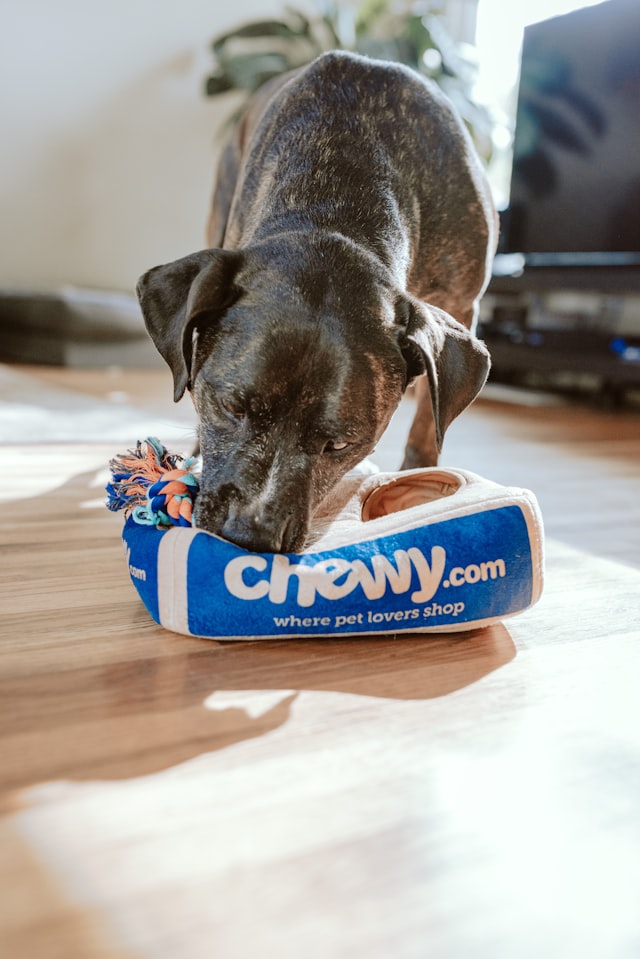
How the 10% Treat Rule Works
The 10% rule is straightforward: no more than 10% of your dog's total daily calories should come from treats. The remaining 90% should come from complete meals. This preserves nutrient balance while giving you enough reward room for behavior work.
Example: if your dog needs about 600 calories per day, keep treats around 60 calories or less. That budget gets used faster than most owners realize, especially with commercial biscuits or high-fat chewy treats.
Daily Treat Budget Math by Dog Size
| Dog size | Typical daily calories* | 10% treat budget |
|---|---|---|
| Small (10-20 lb) | 250-450 | 25-45 calories |
| Medium (25-50 lb) | 500-900 | 50-90 calories |
| Large (55-90 lb) | 950-1,400 | 95-140 calories |
*Real needs vary by age, neuter status, activity, and health conditions. Use your vet's calorie target when available.
If treats are central to your training day, divide the budget before sessions begin. Pre-portioning keeps decisions objective when your dog is excited and you are rewarding quickly.
Best Low-Calorie Treat Types
- Mini training treats (2-4 calories each): good for high-repetition cue work.
- Freeze-dried single-ingredient treats: high value, easy to break into smaller pieces.
- Produce options: tiny portions of dog-safe vegetables for low-calorie filler rewards.
- Homemade baked minis: useful when you need exact ingredient control.
Not all "healthy" treats are low calorie. Many premium treats are nutrient-dense and high in fat. Always check calories per piece, not just per bag.
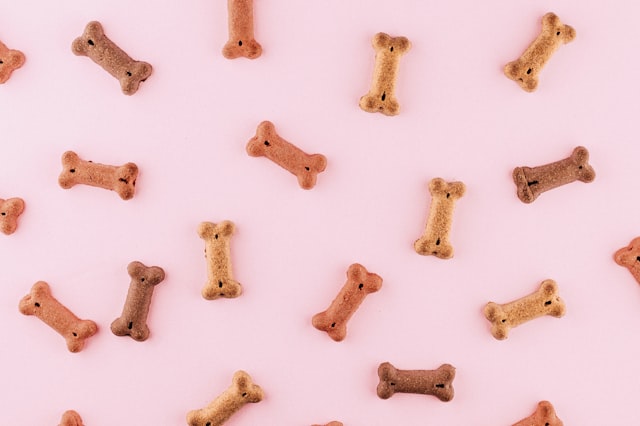
How to Train Without Overfeeding
- Use micro-rewards: treats can be much smaller than owners think.
- Match value to difficulty: use highest-calorie rewards only for hardest tasks.
- Mix food and non-food reinforcement: play, praise, and access rewards reduce treat load.
- Subtract training treats from meals: if needed, trim meal portions slightly on heavy training days.
For young dogs with high repetition sessions, combine this plan with our puppy biting training routine and main training guide for cleaner reward timing.
What to Fix When Weight Loss Stalls
If scale progress stalls for 2 to 3 weeks, audit these first:
- Uncounted treats from family members or visitors
- Calorie-heavy chews labeled as "natural" but fed daily
- Inconsistent meal measuring by volume instead of weight
- Exercise dips not reflected in calorie adjustments
Start with treat logging before changing food brands. In many cases, budget control fixes the plateau without major diet disruption.
Frequently Asked Questions
How many treats can I give during training?
As many as needed within your daily budget. Use tiny pieces so repetition stays high while calories stay controlled.
Are carrots always a low-calorie option?
They are generally lower-calorie than most commercial biscuits, but portion still matters and should be counted.
Can high-value treats still be used for reactive dogs?
Yes. Keep high-value rewards for difficult behavior moments and lower-calorie options for basic repetitions.
Should I switch all treats at once?
Gradual change is usually easier on digestion and training consistency. Transition over several days while tracking stool and appetite response.