 PawfullyHonest
Dog Dental Chew Safety Checklist: Size Rules, Hardness Tests, and Red Flags
Key Takeaway
Dental chews can support oral health, but only when chew hardness, size, and session control match your dog’s chewing style. The wrong chew can create tooth, choking, or GI risks fast.
Related Treat and Health Guides
- Main Dog Treats Guide for treat-type and ingredient comparisons.
- Dog Allergy-Safe Treats Checklist for food-sensitive dogs needing stricter ingredient control.
- Low Calorie Dog Treats Guide to keep dental-chew calories within daily limits.
- Dog Training Reward Value Ladder Checklist for using high-value rewards without losing behavior criteria.
- Dog Treat Storage Safety Checklist for managing chew freshness, humidity, and label retention.
- Dog Treat Ingredient Sourcing Quality Checklist for screening chew ingredient origin and quality disclosures.
- Dog Pain Signs Checklist for behavior-based discomfort escalation thresholds.
Dental chews are marketed as an easy oral-health solution, but product safety varies widely. Dogs differ in jaw strength, chew style, and swallowing behavior, so one “popular” chew is not automatically safe for every dog.
This checklist helps you choose chews by risk profile, not marketing claims, and gives you a repeatable monitoring routine for safer use.

Where Dental Chews Help and Where They Do Not
Dental chews can reduce some plaque accumulation and provide oral stimulation, but they are only one layer of care. They do not replace:
- Regular tooth brushing with dog-safe toothpaste
- Veterinary oral exams and professional cleanings
- Evaluation of pain signs, gingival inflammation, or fractured teeth
Think of chews as a support tool inside a full oral-care plan, not a standalone fix.
Size and Hardness Safety Checks Before First Use
Run these checks before your dog gets a new chew:
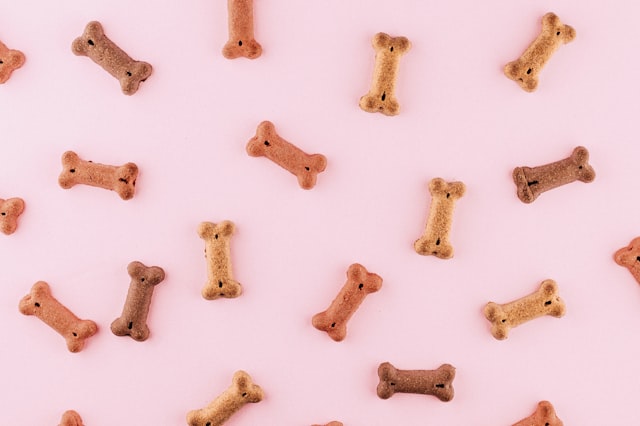
- Size check: chew should be too large to swallow whole.
- Hardness check: avoid products too hard to dent with firm fingernail pressure.
- Break behavior check: observe whether it shatters into sharp fragments or softens gradually.
- Chew-style fit: heavy crunchers need safer texture than gentle gnawers.
Dogs that rapidly crack and swallow chunks are poor candidates for hard chews, even if label sizing appears correct.
Supervised Chew Session Protocol
Use controlled sessions rather than unrestricted chew access:
- Start with short supervised windows.
- Remove chew once fragment size becomes swallowable.
- Provide water after sessions and monitor swallowing comfort.
- Log tolerance and stool quality for 24 hours after first uses.
Supervision is non-negotiable for new chew products and high-drive chewers.
Label and Product Quality Checklist
| Label area | What to look for | Warning signs |
|---|---|---|
| Calorie statement | Per-piece calorie count | No clear calorie disclosure |
| Feeding guidance | Weight-based frequency and size | Vague one-size-fits-all instructions |
| Ingredients | Clear protein and additive transparency | Multiple fillers and artificial color blends |
| Oral-health claims | Evidence-aligned claim language | Overstated “replaces brushing” marketing |
If your dog has known sensitivities, run the same ingredient controls from our allergy-safe treat checklist before purchase.
Oral and GI Red Flags That Mean Stop
Stop the chew and contact your vet when you see:
- Oral bleeding, drooling spikes, or one-sided chewing
- Sudden chew refusal after previously normal use
- Gagging, repeated retching, or vomiting after chew sessions
- Constipation, straining, or abdominal discomfort signs
These signs can indicate dental injury, swallowing issues, or GI irritation that needs evaluation.
Safer Alternatives for High-Risk Chewers
If your dog is not a safe candidate for hard dental chews, consider:
- Short-duration softer oral-support chews
- Daily brushing with reward-based desensitization
- Low-risk treat formats paired with professional dental planning
Chew safety is about fit, not category loyalty. The right option is the one your dog can use consistently without injury risk.
Frequently Asked Questions
Are antler chews safe for all dogs?
No. Very hard chews may increase fracture risk in some dogs, especially aggressive crunchers.
Can puppies use standard adult dental chews?
Not always. Choose age-appropriate products and ask your vet about timing during tooth development.
Should I leave a chew with my dog while unsupervised?
No. Unsupervised use increases choking and fragment-swallow risk, especially with unfamiliar products.
How do I keep dental chews from causing weight gain?
Track calories per chew and subtract them from your daily treat budget so oral support does not disrupt weight goals.