 PawfullyHonest
Dog Allergy-Safe Treats Checklist: Ingredient Filters and Flare-Tracking Plan
Key Takeaway
Most treat-related allergy setbacks happen because too many variables are changed at once. A one-protein, one-change trial with daily flare logging protects progress and gives your vet cleaner data.
Related Allergy and Treat Guides
- Dog Itching Allergy Red Flags for itch-score tracking and infection escalation.
- Best Dog Food by Condition for elimination-diet alignment and protein filtering.
- Main Dog Treats Guide for format comparisons and brand context.
- Dog Training Reward Value Ladder Checklist for choosing low-trigger rewards during behavior sessions.
- Dog Treat Storage Safety Checklist for keeping trial treats labeled and contamination-safe.
- Dog Treat Ingredient Sourcing Quality Checklist for verifying supplier transparency on elimination-trial products.
- Dog Dental Chew Safety Checklist for chew-size and fracture-risk controls.
Dogs with skin or ear flares often get clean meal plans but inconsistent treats. A single snack from a different protein source can confuse the picture and make it look like your main food is failing. That is why treat control matters as much as meal selection during allergy workups.
This page gives you a practical checklist for choosing and testing treats when your dog has suspected food-triggered itching, paw chewing, ear irritation, or GI sensitivity.
Why Treat Triggers Are Easy to Miss
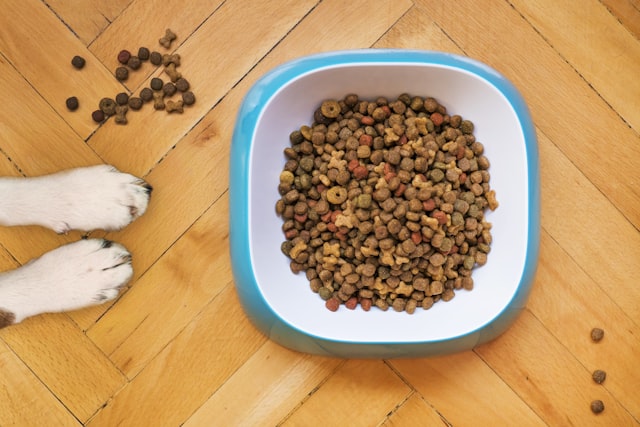
Most owners focus on the primary food bag and miss treat ingredients that introduce new proteins or additives. Common failure patterns include:
- Mixed-protein reward bags: chicken, beef, and fish in one formula during elimination trials.
- "Natural flavor" catch-all labels: unclear source material that can reintroduce triggers.
- Chew products used as daily treats: high exposure frequency without ingredient tracking.
- Family-member drift: extra treats from multiple people without a shared plan.
If your dog is already in an elimination process, treat inconsistency can reset progress for weeks. Locking treat variables protects the interpretation of your food trial.
Ingredient Filter Checklist Before You Buy
Run this checklist on every treat label:
- Single identifiable protein source: no mixed meat blends for trial phase.
- No hidden dairy or egg: common in soft chews and training minis.
- No artificial color blends: avoid additive-heavy formulas during active flares.
- Short ingredient list: fewer variables, easier troubleshooting.
- Calorie visibility: choose products with per-piece calories for controlled dosing.
If ingredient transparency is weak, skip it. You cannot troubleshoot what you cannot identify.
14-Day Controlled Treat Trial Protocol
Use this workflow when introducing a new treat during allergy management:
- Days 1-3: tiny exposure only, once daily, same time window.
- Days 4-7: increase to normal reward volume only if no flare signals.
- Days 8-14: maintain stable volume and log skin, ears, stool, and behavior.
- No other changes: do not rotate shampoos, foods, or chews simultaneously.
If signs worsen, stop the test treat and return to last stable baseline. Bring your log to the vet rather than guessing from memory.
Allergy-Safer Treat Formats by Use Case
| Use case | Safer starting option | What to avoid initially |
|---|---|---|
| Frequent training reps | Single-protein freeze-dried bites | Multi-flavor soft training blends |
| Daily reward routine | Measured limited-ingredient chews | Unlabeled bulk-bin treats |
| Weight-aware allergy plan | Small low-calorie, single-protein portions | Large calorie-dense jerky strips |
| Dental support phase | Vet-aligned chew with clear composition | Very hard novelty bones with unclear formulas |
For calorie control while managing food sensitivity, combine this with our low calorie treat budgeting guide.
Flare Logging and Escalation Thresholds
Track these daily during any treat trial:
- Skin: redness zones, paw chewing frequency, scratching spikes.
- Ears: head shaking frequency, odor changes, discharge signs.
- GI: stool consistency, gas, vomiting, appetite changes.
- Behavior: sleep disruption, restlessness, licking hotspots.
Escalate promptly if symptoms intensify, skin looks infected, or your dog shows distress. Use our itching and allergy red-flag checklist for urgent thresholds.

How to Rotate Treats Without Losing Control
Once stable for two weeks, rotation can reduce monotony while preserving safety:
- Keep one core safe treat as your baseline.
- Introduce one alternate treat for 10-14 days with logging.
- Maintain a written "safe list" and "failed list."
- Avoid rotating more than one new formula per month in flare-prone dogs.
A controlled rotation system keeps training flexible without reintroducing ingredient chaos.
Frequently Asked Questions
Are grain-free treats always safer for allergic dogs?
Not necessarily. Protein source and total ingredient profile matter more than grain-free marketing labels alone.
Can I use leftover table meat as allergy-safe treats?
Only if it matches your planned trial protein and is free from seasoning, sauces, and mixed ingredients.
How soon can treat-triggered itching appear?
Some dogs react within days, but patterns may take one to two weeks to become obvious without structured logging.
Should I stop all treats during a major flare?
Often yes for short reset windows, then reintroduce one controlled option under a clear plan and veterinary guidance.