 PawfullyHonest
can dogs eat apples: safe portions, risks, and vet-backed feeding guide
2-Sentence Summary
Most healthy dogs can eat fresh apple slices in moderation when the core, seeds, and stem are removed first. The biggest mistakes are overfeeding and giving apple products with added sugar or xylitol, both of which raise avoidable risk.[1][2]
Related Treat Guides
- Main Dog Treats Guide for broader treat strategy and ingredient quality checks.
- Low Calorie Dog Treats Guide for practical treat-budget math.
- Dog Training Reward Value Ladder Checklist for choosing better rewards by training difficulty.
- Dog Food Treat-Calorie Integration Checklist to keep snack calories from disrupting full-meal nutrition.
can dogs eat apples? Yes, most dogs can eat plain fresh apple slices as an occasional snack, as long as you remove the core, seeds, and stem before serving.[1][2][3]
Across vet-led and breed-focused sources, the core guidance is consistent: apples can be dog-safe and useful as a lower-calorie treat, but portions should stay moderate and treat calories should remain limited in the overall diet.[1][3]

Potential Benefits of Apples for Dogs
Apples are often recommended as a better alternative to high-calorie commercial snacks because they are mostly water, relatively low in fat, and provide useful fiber. They also contribute vitamin A, vitamin C, and antioxidant compounds that support general health when fed as part of a balanced routine.[1][2][3]
- Fiber support: can help with stool regularity and satiety in many dogs.[1][2]
- Low-fat snack option: useful for dogs that need tighter treat quality control.[1]
- Crunch and enrichment: thin slices or frozen pieces can make treats more engaging.[3]
That said, apples are still fruit and still contain sugar. AKC notes that a whole apple contains substantial sugar, so a full apple at once is usually too much for one snack.[2]
Main Risks and Mistakes to Avoid
Most problems happen from preparation mistakes, not from apples themselves.
- Core, stem, and seeds: should be removed first. Core and stem can become choking hazards; seeds are not a routine dog food item and are associated with cyanide-related toxicity concerns in high intake situations.[1][2]
- Too much fruit at once: overfeeding can cause GI upset, including diarrhea.[1][2][3]
- Sweetened apple products: avoid options with added sugars, syrups, or preservatives when possible.[1][3]
- Xylitol risk in flavored products: never give products containing xylitol because it is toxic to dogs.[1]
- Diabetes and weight issues: use stricter portions and ask your veterinarian before adding fruit treats regularly.[1]
How Much Apple Can a Dog Eat?
There is no one perfect number for every dog, but all major sources agree on moderation and treat budgeting. Practical guidance is to start small, monitor tolerance, and keep all treats around 10% of daily calories.[1][3]
| Dog size | Conservative starting amount | Upper routine range (if tolerated) |
|---|---|---|
| Toy / Small | 1 thin slice | 1-2 thin slices |
| Medium | 1-2 slices | 2-4 small slices |
| Large | 2 slices | up to 4-6 small slices |
Use these ranges as conservative snack guidance, not meal replacements. If your dog is on a prescription diet or has a chronic condition, confirm limits with your vet first.[1]
How to Prepare and Serve Apples Safely
- Wash thoroughly: rinse well to remove surface residue.[1][2]
- Remove core, seeds, and stem: this is a non-negotiable safety step.[1][2]
- Cut into bite-size pieces: reduce choking risk and improve portion control.[1]
- Peel only if needed: skin is generally safe, but some dogs tolerate peeled apple better.[1][3]
Safe serving ideas that appear repeatedly in the source set include fresh slices, frozen slices, plain unsweetened applesauce in small amounts, and homemade apple-based enrichment without added sweeteners.[1][2][3]
For applesauce specifically: choose plain unsweetened only, and avoid any product with xylitol or extra sweeteners.[1][2]
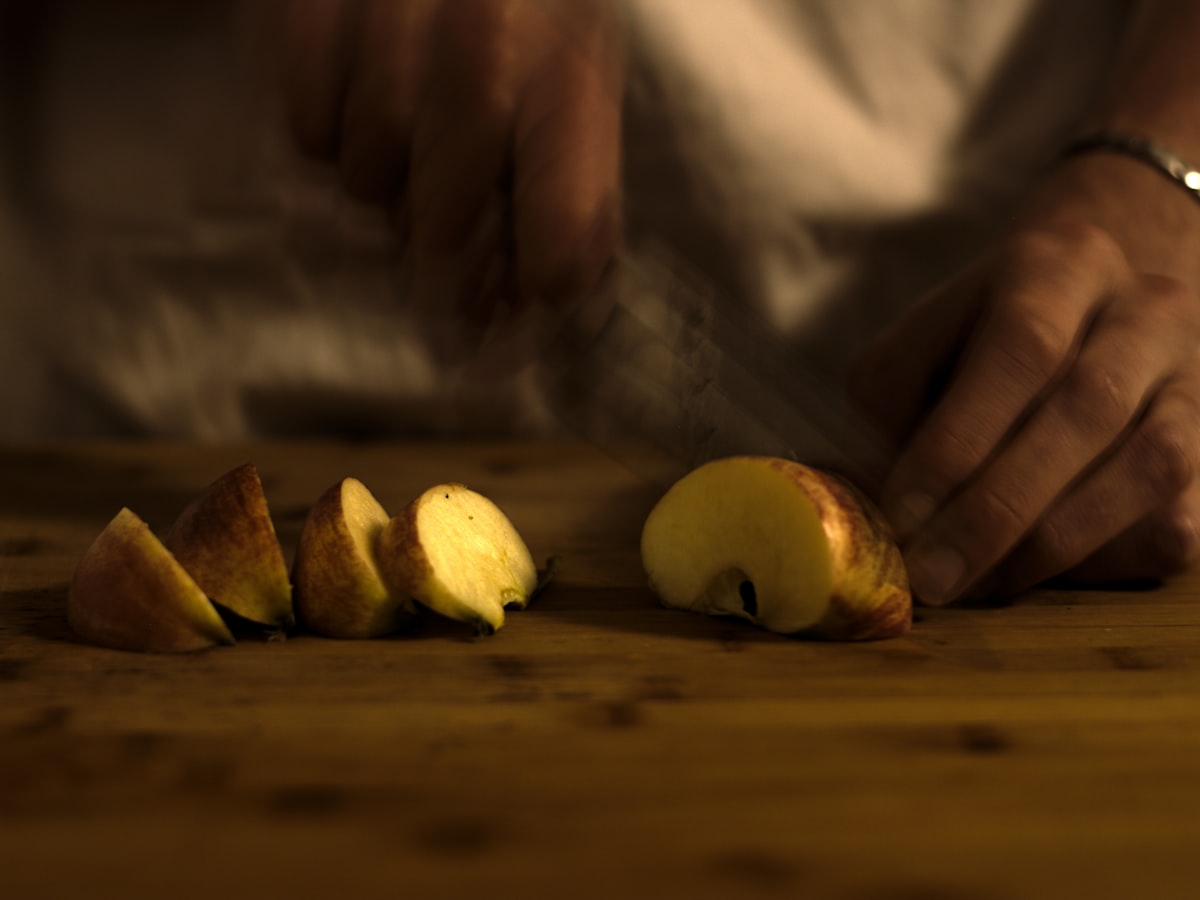
Apple Format Safety Matrix
| Apple format | Safe for most dogs? | Main rule |
|---|---|---|
| Fresh apple slices | Yes | Wash, remove core/seeds/stem, cut small. |
| Apple skin | Usually yes | Keep if tolerated; peel for sensitive stomachs. |
| Unsweetened applesauce | Yes, small amounts | No xylitol, no added sugar, no spice-heavy blends. |
| Dehydrated apple | Sometimes | Very small portions because sugar is concentrated. |
| Apple pie / sweet desserts | No | Too much sugar/fat; some recipes include unsafe spices. |
| Core or seeds | No | Always remove before serving. |
This table is a practical merge of PetMD, AKC, and Steve's Real Food guidance, plus their repeated emphasis on moderation and preparation quality.[1][2][3]
Special Cases: Puppies, Seniors, and Sensitive Dogs
Puppies: start with tiny pieces and watch closely for GI changes. AKC specifically notes puppies can have apples, but first-time exposure should stay small and monitored.[2]
Seniors and small breeds: use thinner slices and slower feeding pace to reduce choking risk and digestive load. This is especially important if chewing quality is lower or excitement is high.
Sensitive stomach dogs: begin with peeled apple and a smaller trial amount. PetMD and Steve's both note that overfeeding fruit can trigger stool changes, so ramp volume only after tolerance is clear.[1][3]
Dogs on strict medical diets: check with your veterinarian first before adding fruit snacks, especially for diabetes or prescription diet plans.[1]
What Real Owners Report (Reddit)
In the DogAdvice thread you shared, owners repeatedly described apples as a common occasional snack, with the same safety pattern seen in veterinary sources: no core, no seeds, and controlled portion size.[4]
- One high-upvoted reply specifically warned about choking when a dog tried to swallow a whole apple.[5]
- Another widely-upvoted response repeated the no-core rule after sharing their own routine.[6]
- Several owners also mentioned rotating apples with lower-cost produce snacks like carrots and cucumber.[7]
These are anecdotal owner experiences, not clinical trials, but they align with the preparation and moderation guidance in PetMD and AKC.
When to Stop and Call Your Vet
Pause apple treats and contact your veterinarian if you see repeated vomiting, persistent diarrhea, unusual lethargy, or signs of swallowing difficulty after eating fruit pieces. Seek urgent care immediately for active choking symptoms.
If your dog has diabetes, obesity, pancreatitis history, or a prescribed therapeutic diet, ask your veterinarian before adding apples to the routine because even healthy snacks can interfere with strict diet goals.[1]
Frequently Asked Questions
Can dogs eat apples every day?
They can have small amounts, but apples should remain an occasional treat and not replace complete nutrition. Keep total daily treats around 10% of calories.
Can dogs eat green apples?
Yes. PetMD notes green apples are generally safe too, though some dogs may prefer sweeter varieties.
Can puppies eat apples?
Yes, in tiny pieces and small amounts. Start with a very small serving and monitor stool and appetite response.
Can dogs eat dehydrated apples?
Yes, but portions should be smaller because sugar is more concentrated once water is removed.
What apple products should dogs avoid?
Avoid apple pies, sugary fillings, and any product containing xylitol or heavy added sweeteners.
Sources & References
- PetMD: Can Dogs Eat Apples? Benefits, Risks, and Feeding Tips
- American Kennel Club: Can Dogs Eat Apples? How to Safely Feed Apples to Dogs
- Steve's Real Food: Can Dogs Eat Apples? What You Need to Know
- Reddit r/DogAdvice thread: "Can dogs have apples or is it bad for them"
- Reddit comment: choking warning after whole-apple incident
- Reddit comment: no-core serving routine
- Reddit comment: produce-based treat alternatives
- Image credit (hero): Lucile Noiriel on Unsplash
- Image credit (apple prep): Quentin Schulz on Unsplash